Top SEO Agency: revenue-driven SEO, AI SEO and GEO for businesses worldwide Chat on WhatsAppinfo@topseoagency.io
TOP SEOAGENCY .io Free SEO audit
eLearning SEO company

eLearning SEO that turns course searches into paid enrollments

Learners search "online Python course with certificate", "best project management certification online", "learn Spanish online free trial" or "corporate compliance training platform" before they enroll. Top SEO Agency is an eLearning SEO company that builds the course pages, topic hubs, comparison content, technical fixes and AI visibility that help online course providers, EdTech platforms and training companies rank for those searches and convert visitors into paying learners.

Get your eLearning SEO planWhat's included
50+
countries served
5+
years of SEO experience
2
business days for a full site review
Person taking notes while researching online courses on a laptop: Elearning SEO by Top SEO Agency
eLearning SEOCourse enrollments and subscriptionsOnline course and EdTech platforms
What's included

What our eLearning SEO services include

SEO for eLearning covers every course, skill, certification and learner group your platform serves.

01

Course landing page SEO

Titles, outcomes and syllabus pages that rank.

02

Skill and topic hubs

Clusters around the subjects you teach.

03

Certification keyword pages

Pages for exam prep and accredited certificates.

04

Course catalog architecture

Categories, filters and internal links that scale.

05

Course schema markup

Course, review and FAQ structured data.

06

Free lesson and preview content

Sample lessons that rank and convert.

07

B2B training pages

Corporate and team learning searches.

08

Video SEO for lessons

YouTube and on site video visibility.

09

AI answers for course questions

Clear facts for ChatGPT, Gemini and AI Overviews.

What eLearning SEO covers

eLearning SEO is search engine optimization for online course providers, course marketplaces, EdTech apps, learning management systems and corporate training companies. It covers course pages, topic hubs, catalog structure, technical health, structured data, content, links and AI visibility.

The aim is to reach learners when they search for a skill, a certificate or a better way to learn, and to make enrolling easy once they arrive. Good eLearning SEO is measured in trials, enrollments and subscriptions, not traffic alone.

How learners search for online courses

Learner searches follow a pattern. Early searches are about a skill or a problem: "how to learn Excel fast" or "is data analytics a good career". Later searches compare options: "best online data analytics course", "Coursera vs Udemy for Python". Final searches are about a specific course, price or certificate.

An eLearning site that only targets course names misses the first two stages, where most learners make up their minds. We map content to each stage so your platform is present from the first question to enrollment.

Course landing pages that rank

Many course pages are thin: a title, a video and a buy button. Search engines need more to rank them, and learners need more to commit. Strong course pages describe outcomes, syllabus, time commitment, level, instructor, certificate, price and reviews.

We rewrite course pages around the exact search terms learners use, add a clear module list and FAQs and place enrollment buttons where they help rather than distract. Each page gets a unique title and description that matches its search intent.

Skill and topic hub pages

Topic hubs group courses, guides and resources around one subject such as digital marketing, coding, design or languages. They rank for broad skill terms and pass authority to the courses beneath them.

A hub page explains the skill, career paths, learning routes and which of your courses fit each level. Internal links from guides and blog posts point back to the hub, building a cluster that search engines see as expert coverage.

Course catalog architecture explained

Large platforms can have thousands of course pages, categories and filters. Without a clear structure, search engines waste crawl budget on duplicate filter URLs and miss important courses.

We design category levels, set rules for which filtered pages can be indexed, add breadcrumbs and plan internal links so new courses are found quickly. This is often the biggest single win for marketplaces and large catalogs.

Certification and exam prep pages

Certification searches carry strong intent. Learners search "PMP certification online", "AWS Solutions Architect prep course" or "CompTIA Security+ practice tests" and are often ready to pay.

We build pages for each certification you prepare learners for, covering exam format, eligibility, study time and how your course maps to the exam objectives. Pages stay factual and avoid pass guarantees you cannot back up.

Free lessons, previews and lead magnets

Free lessons, sample chapters and short tutorials rank for "how to" searches and give learners a taste of your teaching. They are often the main source of new trial signups.

We choose free content topics by search demand, make them genuinely useful and link them to the matching paid course. Each free lesson becomes a doorway that search engines can find and learners can trust.

Comparison and alternatives content

Learners compare platforms before they pay. Searches such as "best online course platforms", "Skillshare alternatives" or "Udemy vs Coursera" are common and competitive.

We write fair comparison pages that explain who your platform suits best, pricing models and certificate value. Honest comparisons build trust and win clicks that biased lists lose.

Course creators and coaching businesses

Independent course creators and coaches often sell through their own site, a course platform or both. They need to rank for their niche and their own name.

We help creators build a home base with a clear course page, topic content, an author page and links from podcasts and guest appearances. This reduces dependence on marketplaces and social media reach.

Course marketplaces and multi instructor platforms

Marketplaces face duplicate content, thin pages and instructors competing for the same keywords. They also need category and instructor pages that add real value.

We set quality rules for which course pages are indexed, merge near duplicates, strengthen instructor profiles and build category pages with curated recommendations. This lifts the whole catalog rather than a few top courses.

LMS and EdTech software SEO

LMS vendors and EdTech tools sell software, not courses, so their searches look more like SaaS: "best LMS for small business", "LMS with SCORM support" or "Moodle alternatives".

We build feature pages, use case pages, integration pages and comparison pages for these buyers, along with guides for L&D managers. Content speaks to the person choosing software, not the learner.

Corporate training and B2B eLearning

Companies search "compliance training online", "sales training program for teams" or "leadership course for managers". Buyers are HR and L&D teams who need proof, reporting and bulk pricing.

B2B pages cover team plans, admin dashboards, reporting, SSO, content customization and case studies. We separate them from consumer course pages so each audience finds the right message.

Language learning platforms

Language learning is one of the largest eLearning categories, with searches in many languages and for many level and goal combinations, such as "learn German for beginners", "IELTS preparation online" or "business English course".

We build pages by language, level, exam and goal, and localize them for markets where learners search in their own language. Hreflang tags keep each version showing in the right country.

K-12 tutoring and test prep online

Online tutoring and test prep platforms reach parents and students searching "online math tutor", "SAT prep course online" or "JEE online coaching". Parents look for qualified tutors, results and flexible schedules.

We build subject, grade and exam pages, tutor profile pages and parent focused guides. For India we cover JEE, NEET, CBSE and board exam searches, often in Hindi as well as English.

Video SEO for course content

Video is the core of most courses, and YouTube is a major search engine for learning. Short lessons on YouTube can bring learners to your paid courses.

We optimize video titles, descriptions, chapters and transcripts, add video schema on your own site and plan which lessons to publish publicly. Transcripts also give search engines text to index from every video page.

Course schema and structured data

Course structured data can help your courses appear with richer details in search results. Review, FAQ, organization and video schema add further context.

We add Course and CourseInstance markup with provider, description, price and mode, validate it and keep it in sync as courses change. Structured data also helps AI tools understand what you offer.

Reviews, ratings and learner proof

Learners check ratings before they pay. Reviews on your site and on third party sites such as Trustpilot, G2 or course directories influence both clicks and conversions.

We set up review collection after course completion, show ratings on course pages with valid markup and encourage reviews on the external sites that rank for your brand. All reviews shown are real and verifiable.

Instructor and author pages

Search engines and learners both look for expertise. Instructor pages with credentials, industry experience and published work support E-E-A-T for your courses and guides.

We build instructor profiles, link them from every course they teach and connect them to external profiles and publications. Strong author signals help guide content rank in competitive skill topics.

Technical SEO for course platforms

Course platforms often rely on JavaScript heavy front ends, login walls, slow video players and duplicate URLs from tracking or filters. These issues stop pages from being crawled and ranked.

We audit rendering, crawl paths, page speed and Core Web Vitals, fix canonical tags and make sure course pages load their key content without a login. Technical fixes often unlock rankings for content you already have.

Pricing, free trials and checkout pages

Searches like "Coursera price", "is LinkedIn Learning free" or "online course with free trial" show learners close to buying. Pricing pages need to answer clearly.

We optimize pricing and plan pages with clear comparisons, FAQs and trial details, and remove friction from checkout paths. Small conversion gains on these pages add up across your whole catalog.

Content for career changers

Many learners are changing careers and search "how to become a UX designer", "data analyst salary" or "can I learn coding at 40". These searches are emotional and high value.

Career guides explain paths, skills, timelines and realistic outcomes, then recommend courses for each step. They attract learners early and build trust that carries through to enrollment.

International and multilingual eLearning

Many eLearning brands sell worldwide. Each market has different search terms, currencies and preferred payment options.

We plan localized versions with hreflang, local pricing and market specific keyword research. In India we include UPI and EMI payment searches and Hindi language content where it fits the audience.

Link building for eLearning sites

Educational content earns links naturally when it is genuinely useful. Universities, libraries, industry associations and media often link to strong free resources.

We earn links through free tools, research reports, expert commentary, scholarships and partnerships with industry bodies. We avoid paid link schemes that put the domain at risk.

Seasonality in online learning

eLearning demand peaks in January with new year goals, in late summer before the academic year and around exam dates. B2B training budgets often reset in the first quarter.

We schedule content and page updates ahead of those peaks and refresh course pages with current dates and offers. Seasonal planning keeps rankings strong when learners are most ready to start.

Student retention and existing learner content

SEO also helps current learners find help articles, community answers and next courses. Strong help content reduces support tickets and supports upsells.

We organize help centers and learning paths so search engines index useful answers, and link completed courses to logical next steps. This raises lifetime value from learners you already have.

AI search and eLearning

Learners now ask ChatGPT, Gemini, Perplexity and Google AI Overviews "what is the best online course for SQL" or "how long does it take to learn Python". AI answers often name platforms and cite pages.

We write clear, factual answers on course and topic pages, keep platform details consistent across the web and track how AI tools describe your courses. Accurate mentions in AI answers bring learners who already trust you.

eLearning SEO in India

India has one of the largest online learning markets, with searches for coding bootcamps, government exam prep, spoken English, skill certificates and school tutoring. Learners search in English, Hindi and regional languages, often on mobile data.

We build fast mobile pages, exam and course pages for Indian searches, Hindi content where it helps and listings on education directories. WhatsApp enquiry options and EMI pricing details match how Indian learners buy.

Measuring eLearning SEO results

Traffic is useful, but platforms grow on trials, enrollments and subscriptions. We track organic signups and purchases by course, topic hub and landing page.

Monthly reports show rankings for skill and course terms, organic enrollments, revenue where you share it and the pages that bring the most learners. Each report lists what we did and what comes next.

Choosing an eLearning SEO agency

An eLearning SEO agency should understand course catalogs, subscription models and the difference between learners and corporate buyers. Ask how they handle content behind login, filter URLs and course schema, and how they report on enrollments rather than traffic.

Top SEO Agency builds SEO for eLearning around your catalog and revenue model. You see the plan, the pages and the results every month, and all content and accounts stay yours.

Online course SEO for cohort and live programs

Cohort based courses, bootcamps and live classes have start dates, application steps and limited seats. Searches include "data science bootcamp online", "live UX course" and "next cohort start date".

Program pages show upcoming dates, schedules, outcomes and application steps, with CourseInstance schema for each session. Pages are updated before each intake so dates in search results stay current.


Learner vs buyer

Individual learners and corporate buyers search differently

Many platforms sell to both, and each group needs its own pages.

Individual learners
✓

Skill

What they want to learn.

✓

Certificate

Proof they can show employers.

✓

Time

How long the course takes.

✓

Price

Cost and free trial options.

Corporate buyers
+

Team plans

Seats and bulk pricing.

+

Reporting

Progress and completion data.

+

Integration

SSO, LMS and HR systems.

+

Compliance

Required training covered.

Why it matters

Why online course providers invest in eLearning SEO

Person studying an online course on a tablet with headphones: Elearning SEO services by Top SEO Agency
See how your courses rank for skill and certification searches.Get a quote →

Paid acquisition costs keep rising for course businesses. Organic search brings learners who are already looking to learn.

Lower cost per enrollment

Ads for popular skills are expensive and get pricier each year. Ranking course and topic pages brings enrollments without paying for each click.

Learners at every stage

Guides, comparisons and course pages reach learners from the first question to the buying decision. Paid ads usually only catch the last step.

Less reliance on marketplaces

Creators who depend on marketplace algorithms or social reach can lose sales overnight. Owning search visibility gives a steadier base.

B2B training leads

Corporate buyers research training vendors on Google first. Ranking for team training searches brings larger contracts.

Compounding content value

A useful free lesson or guide keeps bringing learners for years. Each one adds authority to the course pages it supports.

Visibility in AI answers

AI assistants increasingly recommend courses and platforms. Clear pages help them name your courses accurately.

Process

How we deliver eLearning SEO

Six stages from audit to enrollments.

  1. 1Audit your platform and competitorsCatalog, rankings, technical health and leading platforms.
  2. 2Map skills, courses and learners to pagesSearch terms for every course, topic and audience.
  3. 3Fix technical foundationsCrawling, rendering, speed and structured data.
  4. 4Rewrite course pages and build hubsClear outcomes, syllabus and topic clusters.
  5. 5Grow authorityFree resources, links and instructor profiles.
  6. 6Report and improveEnrollments, signups and rankings each month.
Common mistakes

eLearning SEO mistakes that cost enrollments

Instructor teaching maths concepts online with a laptop and whiteboard: Elearning SEO agency by Top SEO Agency

We find these problems on most course websites we audit. Each one holds back rankings or conversions.

Thin course pages

A title, video and buy button rarely rank. Learners and search engines need outcomes, syllabus, level and proof.

Content behind a login

If lesson descriptions and syllabus are only visible after login, search engines cannot index them. Key details should be public.

Indexable filter pages

Every filter combination creating a new URL wastes crawl budget and creates duplicates. Large catalogs need clear indexing rules.

Course names nobody searches

Creative course titles often miss the words learners type. Titles should lead with the skill or certificate people search for.

No content before the course

Platforms that only publish course pages miss the learners still deciding what to study. Guides and career content fill that gap.

Slow video heavy pages

Auto loading video players slow pages on mobile. Lazy loading and lighter players keep pages fast.

Checklist

A 12-point eLearning SEO checklist

Use these checks to see how your course platform performs in search.

Person writing a list of online courses next to a laptop: Elearning SEO expert by Top SEO Agency
  • ✓Course titles lead with the skill searched
  • ✓Outcomes and syllabus visible without login
  • ✓One topic hub per main subject
  • ✓Indexing rules for catalog filters
  • ✓Course schema on every course page
  • ✓Instructor pages with credentials
  • ✓Real reviews with valid markup
  • ✓Pricing and trial details public
  • ✓Free lessons linked to paid courses
  • ✓Fast pages with lazy loaded video
  • ✓Separate pages for team training
  • ✓Enrollments tracked by landing page
Course page data

What we include on every course page

These details help learners decide and help search engines understand the course.

Outcome

What learners can do after

Skill based, not vague promises.

Syllabus

Module list

Public and crawlable.

Level

Beginner to advanced

Clear prerequisites.

Time

Hours and pace

Self paced or scheduled.

Certificate

What learners receive

Accreditation if any.

Price

Plans and trial

Visible without login.

Search moments

Four moments when learners search for a course

Each moment needs a different page.

Stage 1

Curious

Exploring a skill.

How to learn guidesCareer pagesFree lessons
Stage 2

Comparing

Looking at options.

Best course listsComparisonsReviews
Stage 3

Ready to enroll

Choosing a course.

Course pagesPricingFree trial
Stage 4

Learning

Already enrolled.

Help centerNext courseCertificates
Timeline

The first three months of SEO for eLearning platforms

Woman taking an online English course session: Elearning SEO strategy by Top SEO Agency

Technical fixes and course page rewrites usually show results first, followed by topic hubs.

Weeks 1 to 2

Audit of your site, catalog, rankings and top competing platforms. Tracking for signups and enrollments set up.

Weeks 3 to 4

Technical fixes for crawling, indexing and speed. Top ten course pages rewritten.

Month 2 topic hubs

Hub pages for your main subjects with links to every related course and guide.

Month 2 to 3 schema

Course and review markup across the catalog. Instructor pages built or improved.

Month 3 content

Free lessons, career guides and comparison pages chosen by search demand.

Ongoing growth

More course pages, link building, seasonal updates and monthly reports.

Who we help

Online learning businesses we work with

Language learning tools and devices on a desk: Elearning SEO consultant by Top SEO Agency

Our eLearning SEO company works with solo creators, platforms and training providers.

Independent course creators

Experts selling courses from their own site. We help them rank for their niche and their name.

Course marketplaces

Multi instructor platforms with large catalogs. We fix structure and quality at scale.

LMS and EdTech software

Learning platforms sold to schools and companies. Pages target software buyers.

Corporate training providers

Companies selling compliance, leadership and skills training to teams. B2B pages reach L&D buyers.

Language and test prep platforms

Language apps, IELTS, SAT and exam prep providers. Pages target each language, level and exam.

Online tutoring and coaching in India

JEE, NEET, board exam and spoken English platforms. Pages target English and Hindi searches.

Page types

Pages every eLearning website needs

Designer presenting a sketch while recording a video tutorial: Elearning SEO specialists by Top SEO Agency

These pages cover learner searches from first question to enrollment.

Course landing pages

One page per course with outcomes, syllabus, level, instructor, price and reviews. These rank for course and skill searches.

Skill and topic hubs in practice

One page per main subject linking courses and guides. They rank for broad skill terms.

Certification pages

Exam format, eligibility and how your course prepares learners. They catch high intent searches.

Instructor profiles

Credentials and experience for each teacher. They support trust and E-E-A-T.

Pricing and plans page

Plans, trials and team pricing explained clearly. It answers cost searches.

Free lesson library

Public lessons and tutorials that rank for how to searches and lead to paid courses.

Deliverables

What your platform receives each month from our eLearning SEO services

Person on a video call while studying on a laptop at home: Elearning SEO plan by Top SEO Agency

Every month brings visible work and a clear report tied to enrollments.

New and improved course pages

Course pages rewritten around search terms with clear outcomes, modules and FAQs. Older pages refreshed with current details.

Topic hubs and guides

New hub pages and supporting guides that build authority for your main subjects. Each links to the right courses.

Technical fixes

Crawl, rendering, speed and schema issues fixed or passed to your developers with clear steps.

Structured data updates

Course, review and FAQ markup added and validated as courses change. Errors in Search Console are tracked.

Links and mentions

Outreach for links from education, industry and media sites. Progress is shared each month.

Monthly enrollment report

Organic signups and enrollments by course and page, plus rankings and what comes next.

Tools

Tools we use for eLearning SEO

Research, technical and reporting tools for course platforms.

Google Search Console
Course and skill queries by page.
Google Analytics 4
Signups and enrollments by landing page.
Screaming Frog
Crawls of large course catalogs.
Ahrefs and Semrush
Keyword research and competitor gaps.
Schema validators
Course, review and FAQ markup checks.
PageSpeed Insights
Core Web Vitals for course and video pages.
Pricing factors

What affects eLearning SEO pricing

Every platform is quoted after we review your site.

Catalog size
More courses need more page work.
Number of subjects
Each topic needs its own hub.
Platform technology
JavaScript heavy sites need more technical work.
Markets and languages
Each language adds keyword research and pages.
Audiences
Consumer and corporate pages add scope.
Competition
Popular skills need more content and links.
Keyword opportunity

Where eLearning platforms can win search fastest

Broad course terms are dominated by large marketplaces. Specific skill and certificate searches are more open.

Adult using a laptop for a video lesson and taking notes: Elearning SEO by Top SEO Agency

"Online courses"

Hard to win

Large marketplaces dominate.

"Python course online"

Winnable

Competitive but possible.

"Excel course for accountants"

Strong opportunity

Niche and specific.

"Certification prep" plus exam name

Strong opportunity

High intent searches.

"Corporate training" plus topic

Strong opportunity

B2B searches with fewer competitors.

"How to learn" plus niche skill

Strong opportunity

Free lessons win these.

Compare

eLearning SEO vs paid ads only

How the two channels compare for course businesses.

eLearning SEO
Paid ads only
Top SEO Agency
Cost per enrollment
Falls as pages rank
Rises with competition
Early stage learners
Reached with guides
Rarely worth targeting
Trust
Organic results and reviews
Labelled as ads
Long tail skills
Covered by course pages
Too many terms to bid on
Value over time
Pages keep ranking
Stops when spend stops
AI answers
Cited by AI assistants
Not included
Course page anatomy

What an online course page needs to win the enrollment

Course pages convert when learners can see the outcome and trust the teacher.

1
Skill in the headline
2
Clear outcome
3
Public syllabus
4
Instructor credentials
5
Reviews and ratings
6
Enroll or trial button
  1. 01

    Skill in the headline

    The term learners search.

  2. 02

    Clear outcome

    What they will be able to do.

  3. 03

    Public syllabus

    Modules learners can scan.

  4. 04

    Instructor credentials

    Real experience and proof.

  5. 05

    Reviews and ratings

    From verified learners.

  6. 06

    Enroll or trial button

    Visible on mobile.

Reviews

SEO Client Reviews

★★★★★4.9Verified on Upwork
“Working with Neeraj was great. He is well-informed on the latest updates on SEO and was able to strategize with clear reasons. He is well adept at programmatic SEO and showed great clarity in research to get the work done. I look forward to working with him again.”
Joshan · Product Manager, Sportskeeda
★★★★★5.0Verified on LinkedIn
“Neeraj and his team are experts in SEO and digital marketing. Reach out to them for real experience and expertise in this field. Great communication and daily updates made the work easy and manageable. Thumbs up to them.”
Varun Goel · Founder, Dentalstall
★★★★★5.0Verified on Upwork
“Neeraj is great! He's very quick. I went from posting the job to resolving my SEO issue in one hour. He communicates clearly, is direct, no-nonsense and gets the work done, without angling to cross-sell any long project. Would definitely pursue him for all my SEO needs going forward.”
Sam · Founder, Supanote
★★★★★4.7Verified on Upwork
“Nice work, very professional. Managed to resolve everything we needed and drove a real lift in our organic traffic. Many thanks!”
Nathan · Founder, Agente Imóvel
Industries

More education and technology industries we serve

Each industry has its own SEO page and plan.

eLearning calendar

How we plan eLearning SEO around the year

Learning demand follows clear seasonal patterns.

New year goals

01
When

Skill and career searches peak in January.

What we do

Course pages refreshed in December.

Q1 training budgets

02
When

Corporate training buying starts early in the year.

What we do

B2B pages updated by January.

Exam seasons

03
When

Prep searches rise before exam dates.

What we do

Exam pages refreshed two months ahead.

Summer learning

04
When

Students and teachers take short courses.

What we do

Summer pages live by May.

Back to school

05
When

Tutoring and school searches rise.

What we do

K-12 pages refreshed by July.

Year end sales

06
When

Learners look for course discounts.

What we do

Pricing pages updated in November.

Global SEO services

eLearning SEO in every market

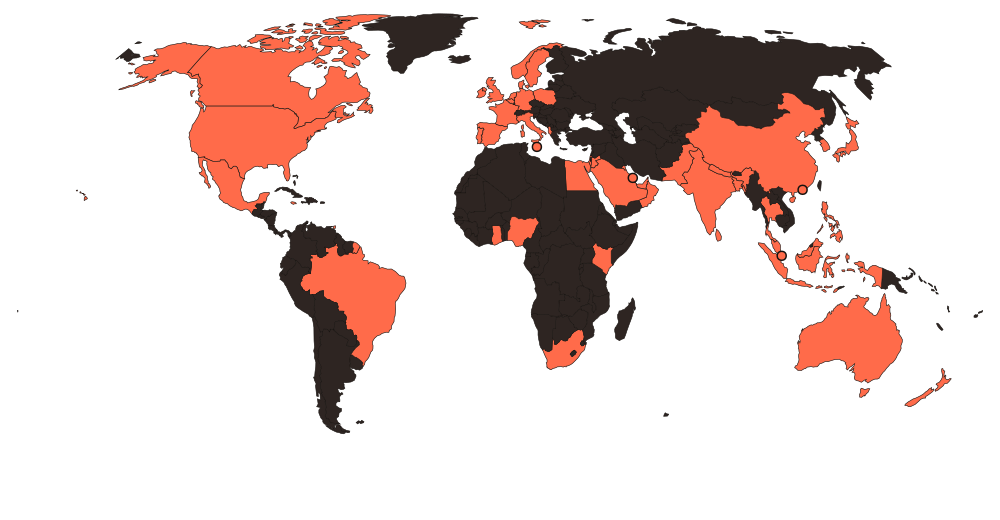
Top SEO Agency helps online course and EdTech brands across 50+ countries.

50+countries with
Top SEO Agency clients

Satisfied SEO clients across North America, Europe, the Middle East, Asia, Africa and Oceania.

USACanadaUKIrelandAustraliaNew ZealandIndiaUAESaudi ArabiaQatarKuwaitBahrainOmanSingaporeMalaysiaThailandChinaHong KongSri LankaPhilippinesJapanSouth KoreaAlbaniaItalyGermanyFranceSpainNetherlandsSouth AfricaNigeriaKenyaJamaicaBrazil
World map highlighting countries where Top SEO Agency serves SEO clients
Countries with Top SEO Agency clientsAvailable on request

National and local SEO for American businesses in some of the most competitive search markets in the world.

SEO for Indian brands selling at home and abroad, including Hindi and regional language search.

Search strategy for UK businesses, from London service firms to national eCommerce brands.

English and French SEO for Canadian businesses, with local search built for each province.

SEO for Australian businesses in metro and regional markets, researched on Google.com.au.

Multi-country and multi-language SEO for brands entering new markets, with hreflang and local content.

Learning hub

eLearning SEO learning hub

Free guides for course creators and EdTech teams.

Glossary

eLearning SEO glossary

The search terms you will see in our eLearning reports, each explained in one line.

Full SEO glossary →
01
Course schema
Structured data that describes a course to search engines.
02
Topic hub
A page that groups courses and guides on one subject.
03
Crawl budget
How many pages search engines crawl on your site.
04
Faceted navigation
Filters that can create many near duplicate URLs.
05
Canonical tag
A tag that tells search engines which URL is the main version.
06
E-E-A-T
Experience, expertise, authority and trust shown on content.
07
Search intent
What a learner wants when they search.
08
Hreflang
Tags that show the right language version in each country.
09
Core Web Vitals
Google measures of page speed and stability.
10
Backlinks
Links to your site from other websites.
Blog

eLearning SEO articles

View all articles →
Related services

Related SEO services

FAQ

eLearning SEO FAQs

Detailed answers for online course providers and EdTech platforms.

What is eLearning SEO?

+

eLearning SEO is search engine optimization for online course providers, course marketplaces, EdTech and LMS brands and corporate training companies. It covers course pages, topic hubs, catalog structure, technical SEO, course schema, content, links and AI visibility, with the goal of more trials, enrollments and subscriptions.

How is eLearning SEO different from education SEO?

+

Education SEO usually serves schools, colleges and universities recruiting students for programs and campuses. eLearning SEO serves online course businesses and platforms selling courses, subscriptions or software, often worldwide, so it focuses more on course catalogs, skill keywords, product pages and conversion.

How long does SEO for online courses take to work?

+

Technical fixes and course page rewrites can show results within two to four months. Topic hubs and competitive skill terms usually take six to twelve months. Timelines depend on your domain authority, catalog size and how competitive your subjects are.

Which keywords should an online course business target?

+

Target the skill plus course or certification terms learners use, such as "data analytics course online" or "PMP prep course", plus how to, career and comparison searches. Niche skill combinations and certification names often convert better than broad terms like online courses.

Can a small course creator compete with large platforms?

+

Yes, in focused niches. Large marketplaces dominate broad terms, but a creator with deep expertise can rank for specific skills, audiences and problems. Strong author signals, free lessons and a few good links make a big difference.

Should course syllabus and lessons be public?

+

The syllabus, outcomes, level and sample lessons should be public so search engines can index them and learners can judge the course. Full paid lessons can stay behind login without hurting SEO.

What is course schema and does it help?

+

Course schema is structured data that describes a course, its provider, price and delivery mode. It helps search engines and AI tools understand your courses and can support richer results. We add and validate it across your catalog.

How do you handle SEO for large course catalogs?

+

We set rules for which category and filter pages can be indexed, merge thin or duplicate courses, add breadcrumbs and strengthen internal links. This focuses crawl budget on the pages that matter and helps new courses get found faster.

Does YouTube help eLearning SEO?

+

Yes. YouTube is a major search engine for learning. Public lessons with good titles, chapters and descriptions bring learners to your paid courses, and video schema and transcripts on your site help those pages rank too.

Can you help LMS and EdTech software companies?

+

Yes. LMS and EdTech software SEO works like SaaS SEO, with feature, use case, integration and comparison pages for buyers such as L&D managers and school administrators. Content is written for the person choosing the software.

Do you work with corporate training providers?

+

Yes. We build pages for team plans, compliance and skills training, reporting and integrations, and target searches made by HR and L&D buyers. These pages are kept separate from consumer course pages.

How do reviews affect online course SEO?

+

Reviews influence clicks and conversions, and valid review markup can help course pages stand out. We help collect real reviews after course completion and on external sites that rank for your brand. We never use fake or invented reviews.

Is eLearning SEO better than paid ads?

+

They work best together. Ads bring quick signups but costs rise as competition grows. SEO takes longer but keeps bringing learners at a falling cost and reaches them earlier, when they are still deciding what to learn.

How much does eLearning SEO cost?

+

Cost depends on catalog size, number of subjects, platform technology, languages and markets and how competitive your skills are. We quote every platform after we review your site so the plan matches your goals.

Can you help language learning platforms?

+

Yes. We build pages by language, level, exam and goal, localize content for each market and use hreflang so the right version shows in each country. Exam prep pages such as IELTS or TOEFL are often strong opportunities.

Do you work with tutoring and test prep platforms in India?

+

Yes. We build pages for JEE, NEET, CBSE, government exams and spoken English, with Hindi content where it helps, fast mobile pages and WhatsApp enquiry options. We also optimize listings on Indian education directories.

What technical issues are common on course platforms?

+

JavaScript rendering problems, content behind login, slow video players, duplicate URLs from filters and tracking parameters and missing canonical tags. We audit and fix these so search engines can crawl and rank your course pages.

How does AI search affect eLearning platforms?

+

AI tools now answer many learning questions and often recommend specific courses or platforms. Clear course facts, strong reviews and consistent information across the web help them name your courses accurately. We track how AI tools describe you each month.

Should we write career guides?

+

Yes, if you teach job related skills. Career change searches are common and high value. Guides on how to become a specific professional, with realistic timelines and skills, attract learners early and lead naturally to your courses.

Can you help with international eLearning SEO?

+

Yes. We plan market specific keyword research, localized pages, local pricing and hreflang setup. We serve course businesses in 50+ countries and adapt pages to local search habits and payment options.

What link building works for eLearning sites?

+

Free tools, research reports, useful guides, scholarships, expert commentary and partnerships with industry bodies all earn natural links. We avoid paid link schemes that put the domain at risk.

Will SEO help our free trial conversions?

+

It can. We optimize pricing and trial pages, make trial details clear in search results and remove friction from signup paths. Tracking shows which pages bring the most trials and paid conversions.

How do you measure eLearning SEO success?

+

We track organic signups, trials, enrollments and revenue where shared, by course and landing page, along with rankings for skill and course terms. Monthly reports explain what changed and what we will do next.

What happens in an eLearning SEO review?

+

We review your platform, catalog structure, course pages, technical health, structured data and the platforms ranking above you. Within 1 business day you receive a report showing gaps and the first fixes we recommend.

What does EdTech SEO include?

+

EdTech SEO covers product, feature, integration and comparison pages for learning software, plus content for teachers, administrators and L&D teams. SEO professionals for EdTech also handle technical issues common to app based platforms, such as JavaScript rendering and gated content.

Get started

Get your free eLearning SEO audit

Within 1 business day a senior Top SEO Agency strategist sends you a recorded walkthrough of your website, with a prioritized fix list you can act on straight away.

⚙Technical healthIndexing, speed and crawl errors
⌕Keyword gapsTerms your competitors own
✦AI visibilityChatGPT, Gemini, Perplexity
★★★★★4.9/5 from 120+ brands
Tell us about your business
No sales pitch. No obligation. Reply within 1 business day.
Talk to an SEO expert