Top SEO Agency: revenue-driven SEO, AI SEO and GEO for businesses worldwide Chat on WhatsAppinfo@topseoagency.io
TOP SEOAGENCY .io Free SEO audit
Keyword research services

Keyword research services that show you exactly what buyers search

Every SEO decision depends on knowing which searches matter. Our keyword research services find the terms and questions your customers use, sort them by intent, difficulty and business value and map each group to the right page. This keyword research for SEO also covers the AI prompts buyers ask.

Get a free keyword snapshotWhat's included
0 → 70k
Scentira monthly organic visits
+1.6M
Sportskeeda organic sessions
2
business days for your snapshot
Team working together on laptops: Keyword Research by Top SEO Agency
Keyword mapGrouped by intentMapped to pages
What's included

Keyword research services: scope and deliverables

A complete, prioritized keyword plan your team can act on.

01

Seed and market research

Your products, services, customers and competitors turned into a full list of starting topics.

02

Keyword discovery

Thousands of candidate searches gathered from tools, Search Console, competitors and customer language.

03

Intent classification

Every keyword labeled as informational, commercial, transactional or navigational.

04

Difficulty and opportunity scoring

Realistic ranking chances based on competition and your current authority.

05

Business value scoring

Keywords weighted by how likely they are to bring revenue.

06

Topic clustering

Related keywords grouped into clusters that one page or hub can target.

07

Keyword to page mapping

Each cluster assigned to an existing page or a new page to create.

08

Question and prompt research

People Also Ask questions and AI prompts buyers use.

09

Priority roadmap

A ranked list of pages to optimize or create first.

What is keyword research for SEO?

Keyword research is the process of finding the words and phrases people type or speak into search engines when looking for products, services or information. It shows how much demand exists, how competitive each term is and what searchers expect to find.

For a business, keyword research decides which pages to create, how to structure the site and which topics to prioritize. Without it, SEO work is guesswork.

Why keyword research for SEO comes first

Content, technical fixes and link building all work better when they target the right searches. A perfectly written page aimed at a keyword nobody searches brings no traffic. A page aimed at a keyword dominated by giant brands may never rank. Website keyword research is most useful when every keyword group has one clear page to target it.

Keyword research balances demand, competition and business value so effort goes where results are realistic.

Search intent in keyword research

Intent is the reason behind a search. Informational searches look for knowledge, commercial searches compare options, transactional searches aim to buy or book, and navigational searches look for a specific site. The same topic can have different intents depending on wording.

We check the live results for each important keyword to confirm intent before assigning it to a page type.

Short-tail and long-tail keywords

Short-tail keywords such as "running shoes" have high volume but broad intent and heavy competition. Long-tail keywords such as "best running shoes for flat feet women" have lower volume but clearer intent and higher conversion rates.

Most successful strategies combine both, starting with long-tail terms and building toward broader ones.

Search volume in website keyword research

Keyword tools estimate monthly searches, but figures are approximations and often group similar terms. Some valuable B2B or niche keywords show little or no volume yet bring high-value customers.

We use volume as a guide, not a rule, and check Search Console for real impression data.

Keyword difficulty

Difficulty scores estimate how hard it is to rank, usually based on the authority of current top results. They are useful for comparison but should be checked against the actual pages ranking.

We assess difficulty relative to your site's authority, so targets are realistic.

Business value

Not all traffic is equal. A keyword that brings visitors ready to buy is worth more than one that brings casual readers. We score keywords by how closely they match your offer and the likelihood of conversion.

This keeps the plan focused on revenue rather than traffic alone.

Competitor keyword research

Your competitors' rankings reveal proven demand. Keywords they rank for and you do not are often the quickest opportunities.

We analyze several competitors, including sites that compete in search but not directly in business, such as publishers or marketplaces.

Clustering keywords into topics

Search engines understand that many keywords mean the same thing. Instead of creating a page for every variation, we group related keywords into clusters that one strong page can target.

Clusters also form the basis of topic hubs that build topical authority.

Mapping keywords to pages

Each cluster should belong to one page. Mapping prevents several pages competing for the same term and shows where new pages are needed.

The keyword map becomes a reference for writers, developers and anyone planning content.

Questions and People Also Ask

Questions reveal what customers want to know. People Also Ask boxes, forums and support tickets are rich sources of questions that can become FAQs, guides or sections on existing pages.

We include question research in every project.

AI prompt research alongside keyword research

Buyers increasingly ask AI assistants detailed questions instead of typing short keywords. These prompts are longer, more conversational and often include context such as budget or location.

We research the prompts buyers use in your category so content supports both search and AI visibility.

Local keyword research

Local businesses need keywords that include cities, neighborhoods and "near me" phrases, plus service-specific terms used in their area.

We research local variations for each area you serve.

International keyword research

Keywords differ by country and language, even in English. "Holiday" and "vacation" or "estate agent" and "realtor" show how terms vary.

We research each market with native understanding rather than translating keywords.

Seasonality and trends

Search demand changes through the year and over time. Planning content before peak seasons and spotting rising topics early gives you an advantage.

We add seasonal and trend data to the keyword plan.

Keyword research for new websites

New websites have little authority, so targeting competitive keywords straight away rarely works. The better approach is to find specific, lower-competition keywords with clear intent, rank for those first and build toward broader terms as authority grows.

We identify these early opportunities and plan a path from quick wins to competitive targets.

Negative and irrelevant keywords

Some keywords look related but bring the wrong visitors: people looking for free versions, jobs, DIY instructions or a different meaning of the same word. Targeting them wastes effort and can lower conversion rates.

We flag irrelevant and low-value keywords so content stays focused on buyers.

Using customer language

Businesses often describe their services in industry terms that customers never use. A company might say "fenestration" while customers search "replacement windows". Research into customer language closes that gap.

We use sales calls, support tickets, reviews and forums to capture the words customers actually use.

Keyword research for eCommerce

Online stores need keywords at several levels: broad category terms, subcategory and attribute terms such as color, size or material, brand and model searches, and buying guide questions. Filters and product attributes often reveal valuable long-tail searches that deserve their own landing pages.

We map store keywords to categories, filtered landing pages, products and guides, so every stage of the shopping journey is covered.

Keyword research for B2B and SaaS

B2B buyers search differently from consumers. They look for problems, solutions, integrations, comparisons, alternatives and pricing, and often use technical terms. Volumes are smaller, but each search can be worth far more.

We research by buyer role and stage, from early problem searches to late-stage vendor comparisons.

Turning keyword research into a content roadmap

A keyword list alone does not help much. We prioritize clusters by opportunity and value, then turn them into a roadmap of pages to optimize or create.

Your team knows exactly what to do first.

Choosing a keyword research service

Ask providers how they classify intent, score business value and map keywords to pages. A spreadsheet of thousands of keywords without priorities is hard to use.

Top SEO Agency delivers a clear, prioritized plan with explanations.

Keyword research for AI search

People ask AI assistants longer, conversational questions than they type into Google. Keyword research now includes these question patterns, the follow up questions people ask and the topics AI tools associate with your brand.

We group these questions into topics and map them to pages that answer them directly.

Keyword research by funnel stage

Some searches come from people just learning about a problem, others from people comparing options and others from buyers ready to act. Mapping keywords to each stage helps you build content for the whole journey, not just the final step.

Each stage gets its own page types, from guides to comparison pages to service pages.

Seasonal keyword research

Many keywords rise and fall through the year. Trend data shows when demand starts, peaks and fades so you can publish and update pages before the rise.

We add seasonal timing to the keyword map so content is ready when searches begin.

Keyword research for local businesses

Local keyword research looks at the services you offer, the towns you serve and the way people phrase local searches, including near me terms and neighborhood names. Search volumes are smaller, so intent and competition matter more than raw numbers.

We map each service and area combination to a page so local searches have a clear match.

Keyword research for content refreshes

Existing pages often rank on page two for terms they barely mention. Search Console data shows these near miss keywords, and adding them to headings and copy is one of the fastest ways to gain traffic.

We review your current pages for these opportunities before planning new content.

Negative keywords and irrelevant traffic

Some keywords bring visitors who will never buy, such as job seekers or people wanting free versions. Spotting these terms keeps content focused on searches with business value.

Intent

The four types of search intent in keyword research

Every keyword is labeled by intent before it is mapped to a page.

Informational

01
When

The searcher wants to learn or understand.

What we do

Map to guides, explainers and glossary pages.

Commercial

02
When

The searcher is comparing options.

What we do

Map to comparison, best-of and review pages.

Transactional

03
When

The searcher is ready to buy or book.

What we do

Map to service, product and pricing pages.

Navigational

04
When

The searcher wants a specific brand or site.

What we do

Make sure your brand pages rank first.

Why it matters

Why keyword research drives SEO success

Person analyzing data on a laptop: how to do Keyword Research for SEO by Top SEO Agency
See your top keyword opportunities.Get my free keyword snapshot →

The right keyword research turns SEO effort into customers.

Targets real demand

Content aimed at searches people make. Every page is built for searches real customers make each month.

Realistic goals

Keywords you can actually rank for. Targets are matched to your current authority, so rankings are achievable.

Revenue focus

Priority on buying searches. Buying searches come first, so traffic turns into leads and sales.

Clear site structure

Pages mapped to topics. One keyword cluster per page gives your site a clean, logical structure.

Faster wins

Competitor gaps found early. Competitor gaps show where you can win traffic quickly.

Future-ready

AI prompts included. AI prompts are included, so content also works for AI assistants.

Process

How we deliver keyword research, step by step

Six steps from discovery to a prioritized plan.

  1. 1DiscoverBusiness and market.
  2. 2CollectGather keywords.
  3. 3ScoreIntent, difficulty, value.
  4. 4ClusterGroup topics.
  5. 5MapAssign to pages.
  6. 6PrioritizeBuild the roadmap.
Common mistakes

Keyword research mistakes to avoid

Graph analysis on a laptop screen: how to do SEO Keyword Research by Top SEO Agency

These are the keyword research mistakes we see most often.

Chasing volume only

Traffic that never converts.

Ignoring intent

Wrong page types.

One page per variation

Thin, competing pages.

Unrealistic targets

Keywords owned by giants.

Translating keywords

Missing local language.

No prioritization

Huge lists nobody uses.

Checklist

A 12-point keyword research checklist

Use this checklist to judge any keyword plan.

Writer planning in a notebook beside a laptop: how to Research keywords for SEO by Top SEO Agency
  • ✓Intent labeled for each keyword
  • ✓Long-tail terms included
  • ✓Difficulty matched to authority
  • ✓Business value scored
  • ✓Competitor gaps found
  • ✓Keywords clustered
  • ✓One page per cluster
  • ✓Questions collected
  • ✓AI prompts included
  • ✓Local variations covered
  • ✓Seasonality noted
  • ✓Priorities set
Keyword map row: example
ClusterEmergency plumbing
Primary keywordemergency plumber near me
Related terms24 hour plumber, burst pipe repair, plumber open now
IntentTransactional, local
Page/emergency-plumber/
PriorityHigh, quick win
StatusPage exists, needs rewrite
Keyword map

What a keyword research map looks like

Our keyword research ends with a map your team can use every day.

One page per cluster

No two pages compete for the same terms.

Clear priorities

Quick wins first, long-term targets later.

Actionable

Every row tells your team what to do.

Get your keyword snapshot →
Case studies

SEO case studies

Keyword-led growth for Top SEO Agency clients.

Timeline

How a keyword research services project runs

Analytics dashboard on a tablet: Keyword Research for SEO by Top SEO Agency

Most keyword research projects take two to four weeks.

Week 1: discovery

Business, audience and competitors.

Week 1: collection

Keywords gathered.

Week 2: scoring

Intent, difficulty and value.

Week 2: clustering

Topics grouped.

Week 3: mapping

Clusters assigned to pages.

Week 3 to 4: roadmap

Priorities delivered.

Keyword types

Keyword types our keyword research covers

SEO report on a laptop: SEO and Keyword Research by Top SEO Agency

Our keyword research for SEO covers every kind of search your buyers make.

Service keywords

What you offer.

Product keywords

What you sell.

Local keywords

City and near me searches.

Comparison keywords

"vs" and "best" searches.

Question keywords

How, what and why searches.

AI prompts

Conversational questions to assistants.

Data sources

Where our keyword research data comes from

Writing notes at a desk with sticky notes: what is Keyword Research SEO by Top SEO Agency

We combine several sources for a complete picture.

Keyword tools

Semrush and Ahrefs databases.

Search Console

Your real impression data.

Competitor rankings

Proven demand.

People Also Ask

Real questions.

Forums and communities

Customer language.

Sales and support

Questions buyers ask your team.

Business types

Keyword research for different businesses

Analytics dashboard on a laptop: search engine optimization Keyword Research by Top SEO Agency

The right keyword mix depends on how your customers buy, so keyword research differs by business.

Local service businesses

Service plus city and near me searches, emergency terms and cost questions that bring calls.

Online stores

Category, attribute, brand and buying guide keywords across the shopping journey.

SaaS companies

Problem, solution, comparison, alternatives and integration searches for each buyer role.

Professional services

Specialist service terms and question searches that show expertise.

Publishers

High-volume informational topics, trends and evergreen questions at scale.

Multi-market brands

Native keyword research for each country and language.

Deliverables

What you receive from our keyword research services

Writer drafting notes at a home desk: SEO Keyword Research services by Top SEO Agency
Want a sample keyword map?Request a sample →

Every keyword research project delivers practical, prioritized outputs.

Master keyword list

Every keyword with metrics.

Intent labels

Informational to transactional.

Topic clusters

Grouped keywords.

Keyword map

Clusters assigned to pages.

Question and prompt list

FAQs and AI prompts.

Priority plan

What to do first.

Tools

The tools behind our keyword research work

Tools used in every Top SEO Agency keyword project.

Semrush
Keyword database
Ahrefs
Keywords and competitors
Google Search Console
Real impressions
Google Keyword Planner
Volume ranges
AlsoAsked
Question research
Google Trends
Seasonality
Pricing factors

Keyword research services cost factors

Every project is quoted after a free snapshot.

Site size
Pages to map.
Products or services
Topics to research.
Markets
Countries and languages.
Competitors
Number analyzed.
Local areas
Locations covered.
Depth
Snapshot or full plan.
Prioritizing

How we score keywords in keyword research

Four factors decide which keywords come first in your plan.

Writer taking notes while working on a laptop: SEO Keyword Research service by Top SEO Agency

Business value opportunity

Higher weight

How likely the search is to bring a customer.

Ranking difficulty

Medium weight

How hard it is to beat the current top results.

Search volume

Medium weight

How many people search each month.

Current position

Higher weight

Terms you already rank on page two for.

Compare

Keyword research: in-house team or agency?

A list of keywords is data. A strategy tells you what to do.

Keyword strategy vs list
Keyword list only
Top SEO Agency
Intent
Missing
Labeled
Priority
None
Ranked by value
Grouping
Flat list
Topic clusters
Page mapping
None
Every cluster mapped
AI prompts
Missing
Included
Next steps
Unclear
Roadmap
Reviews

SEO Client Reviews

★★★★★4.9Verified on Upwork
“Working with Neeraj was great. He is well-informed on the latest updates on SEO and was able to strategize with clear reasons. He is well adept at programmatic SEO and showed great clarity in research to get the work done. I look forward to working with him again.”
Joshan · Product Manager, Sportskeeda
★★★★★5.0Verified on LinkedIn
“Neeraj and his team are experts in SEO and digital marketing. Reach out to them for real experience and expertise in this field. Great communication and daily updates made the work easy and manageable. Thumbs up to them.”
Varun Goel · Founder, Dentalstall
★★★★★5.0Verified on Upwork
“Neeraj is great! He's very quick. I went from posting the job to resolving my SEO issue in one hour. He communicates clearly, is direct, no-nonsense and gets the work done, without angling to cross-sell any long project. Would definitely pursue him for all my SEO needs going forward.”
Sam · Founder, Supanote
★★★★★4.7Verified on Upwork
“Nice work, very professional. Managed to resolve everything we needed and drove a real lift in our organic traffic. Many thanks!”
Nathan · Founder, Agente Imóvel
Industries

Keyword research for every industry

Every sector has its own search language. Top SEO Agency researches keywords for automotive, healthcare, legal, home services, software, finance and retail.

Global SEO services

Keyword research in any country

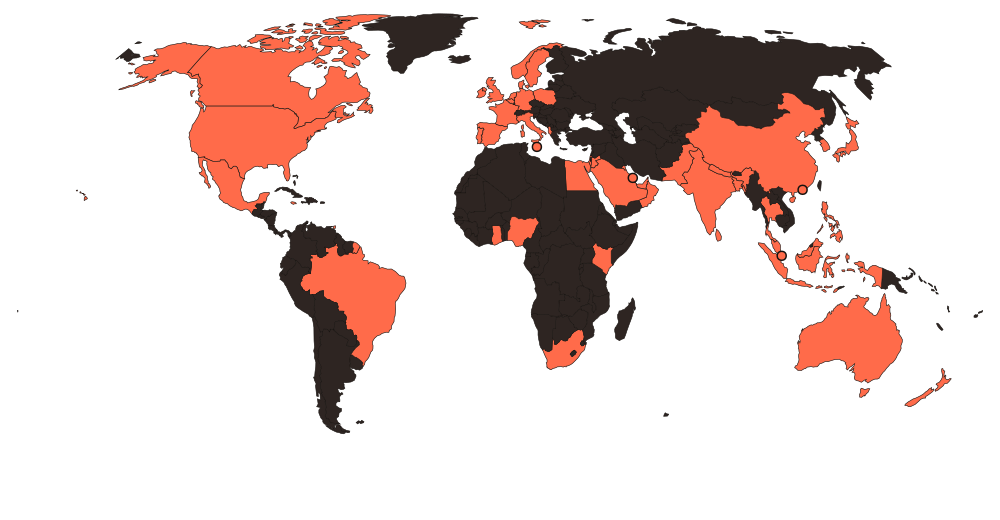
Top SEO Agency researches keywords in many languages for 50+ countries.

50+countries with
Top SEO Agency clients

Satisfied SEO clients across North America, Europe, the Middle East, Asia, Africa and Oceania.

USACanadaUKIrelandAustraliaNew ZealandIndiaUAESaudi ArabiaQatarKuwaitBahrainOmanSingaporeMalaysiaThailandChinaHong KongSri LankaPhilippinesJapanSouth KoreaAlbaniaItalyGermanyFranceSpainNetherlandsSouth AfricaNigeriaKenyaJamaicaBrazil
World map highlighting countries where Top SEO Agency serves SEO clients
Countries with Top SEO Agency clientsAvailable on request

National and local SEO for American businesses in some of the most competitive search markets in the world.

SEO for Indian brands selling at home and abroad, including Hindi and regional language search.

Search strategy for UK businesses, from London service firms to national eCommerce brands.

English and French SEO for Canadian businesses, with local search built for each province.

SEO for Australian businesses in metro and regional markets, researched on Google.com.au.

Multi-country and multi-language SEO for brands entering new markets, with hreflang and local content.

Learning hub

Learn keyword research

Free guides from Top SEO Agency.

Glossary

Keyword research terms explained

The keyword research and search terms you will see in our reports, each explained in one line.

Full SEO glossary →
01
Keywords
The words and phrases people type into search engines.
02
Keyword difficulty
An estimate of how hard it is to rank for a keyword.
03
Long-tail keywords
Longer, more specific search phrases with lower volume and clearer intent.
04
Search intent
The goal behind a search, such as learning, comparing or buying.
05
Google Trends
A free Google tool that shows how search interest changes over time.
06
Search crawler
A bot that discovers and reads pages for a search engine.
07
CMS
A content management system used to build and edit a website.
08
Domain authority
A third-party score that estimates how strong a site's backlink profile is.
09
Click-through rate
The share of people who click a result after seeing it.
10
Hreflang tags
Tags that tell search engines which language or country a page targets.
Blog

Latest keyword research articles

View all articles →
Related services

Pair keyword research with these services

FAQ

Keyword research services FAQs

Detailed answers from Top SEO Agency.

Is Google Keyword Planner enough for keyword research?

+

It is a useful free starting point, but it groups similar keywords and shows volume ranges for smaller accounts. We combine it with Search Console data, third-party tools, competitor rankings and Google Trends for a complete picture.

What are keyword research best practices?

+

Map one primary keyword and a small set of close secondaries to each page, prioritize by business value and intent rather than volume alone, check the live results before choosing a page type, include question keywords for FAQs and AI answers, and review the map every quarter.

How do you do keyword research for SEO?

+

Start with the products, services and problems your buyers care about, pull search volume and difficulty from tools such as Google Keyword Planner, Semrush and Search Console, group keywords by intent and assign each group to one page. We then check the live results for each group to confirm what type of page Google rewards.

What are keyword research services?

+

Services that find, score, group and map the searches your customers use. Top SEO Agency delivers intent labels, clusters, page maps, questions, AI prompts and a priority plan.

Why is keyword research important for SEO?

+

It makes sure SEO work targets real, winnable demand that brings customers.

How many keywords will your keyword research services find?

+

Enough to cover your market, grouped into clusters so the list is usable.

Do you include search volume?

+

Yes, along with intent, difficulty and business value.

What is keyword mapping?

+

Assigning each keyword cluster to one page on your site.

Do you research AI prompts?

+

Yes. We include conversational prompts buyers ask AI assistants.

Can you research local keywords?

+

Yes, for every city or area you serve.

Do you research other languages?

+

Yes, with native understanding for each market.

How long does keyword research take?

+

Usually two to four weeks for a full plan.

Can I get a quick snapshot?

+

Yes. A free snapshot arrives within 1 business day.

Do you analyze competitors?

+

Yes. Competitor gaps are part of every project.

What if a keyword shows zero volume?

+

It can still be valuable, especially in B2B. We judge by relevance and data from Search Console.

How often should keyword research be updated?

+

At least yearly, or when launching new products or markets.

Do you turn keywords into content?

+

Yes. We can write the pages or brief your team.

Is keyword research included in SEO plans?

+

Yes. It is part of every Top SEO Agency SEO plan.

How much do keyword research services cost?

+

Pricing depends on site size, topics and markets. Top SEO Agency sends a clear quote after a free snapshot.

What is the difference between keyword research and keyword mapping?

+

Keyword research finds and scores the searches that matter. Keyword mapping assigns each keyword group to one page, so pages do not compete with each other. Our keyword research services include both.

Do you include competitor keywords in the research?

+

Yes. We review the terms your top competitors rank for, find gaps where they win and you do not, and add the valuable ones to your keyword map.

Get started

Get your free keyword snapshot

Within 1 business day a senior Top SEO Agency strategist sends you a recorded walkthrough of your website, with a prioritized fix list you can act on straight away.

⚙Technical healthIndexing, speed and crawl errors
⌕Keyword gapsTerms your competitors own
✦AI visibilityChatGPT, Gemini, Perplexity
★★★★★4.9/5 from 120+ brands
Tell us about your business
No sales pitch. No obligation. Reply within 1 business day.
Talk to an SEO expert