What medical device SEO covers
Medical device SEO is search engine optimization for companies that make or distribute devices, from surgical instruments and implants to diagnostics, imaging systems, wearables and home care equipment.
It combines B2B SEO for hospital and clinic buyers, clinical content for surgeons and nurses and, for some devices, patient education. Every claim has to match the device's regulatory clearance.
Who searches for medical devices
Surgeons and physicians look for procedure techniques, clinical outcomes and device comparisons. Nurses and technicians look for instructions and training. Biomedical engineers look for specifications and compatibility. Procurement and value analysis committees look for cost, contracts and evidence.
Patients also search for implants, hearing aids, CPAP machines, glucose monitors and mobility aids. A medtech SEO plan maps content to each group.
Regulatory limits on device claims
In the United States, devices are cleared through 510(k) or approved through PMA, and marketing must stay within cleared indications. In Europe, CE marking under the MDR sets similar limits. India regulates devices through CDSCO under the Medical Device Rules.
We check titles, headings, meta descriptions and FAQs so search-facing text never implies uses beyond clearance.
Procedure-led keyword strategy
Clinicians search procedures before products, such as "minimally invasive spine fusion" or "robotic knee replacement". Product names come later.
Procedure pages that explain techniques, patient selection and outcomes, then link to the relevant devices, capture early research and build authority.
Product category pages
Buyers search categories such as "surgical staplers", "infusion pumps" or "portable ultrasound". Category pages often have the most commercial search volume.
Each category page should explain the device type, key features, how models differ, compatibility and regulatory status, with links to product families.
Product and SKU pages at scale
Device catalogs can include thousands of SKUs with similar names and specifications. Thin, duplicate product pages struggle to rank.
We use templates that surface unique specifications, sizes, compatibility and documents, consolidate near-duplicates and control indexing of variant URLs.
Clinical evidence as ranking content
Clinicians trust peer-reviewed evidence. Study summaries, outcomes data and white papers are among the most linked and cited medtech content.
Publishing plain HTML summaries of key studies, with links to journals, helps these pages rank and gives AI tools accurate evidence to cite.
IFUs, manuals and technical documents
Instructions for use and manuals are often searched by nurses, technicians and engineers. They are usually published only as PDFs.
An indexed document library with HTML summaries, clear titles and version control improves visibility and helps users find the right document quickly.
Gated resources and lead generation
Many device companies gate white papers and case studies to capture leads. Gated content cannot rank on its own.
We publish crawlable summaries that rank and link to gated full versions, balancing lead capture with search visibility.
The hospital buying committee
Capital equipment and many consumables are evaluated by value analysis committees that include clinicians, finance and supply chain. Each member searches differently.
Content for economic buyers covers total cost of ownership, reimbursement, contract options and implementation. Clinical content covers outcomes and workflow.
Reimbursement and coding content
Buyers and clinicians search for CPT, HCPCS and DRG codes and reimbursement guidance for procedures that use your devices.
Accurate reimbursement pages, reviewed by market access teams, rank for these searches and remove a common barrier to adoption.
Distributor and where to buy SEO
Many devices are sold through distributors and dealers. Buyers search "ultrasound machine distributor Brazil" or "where to buy your brand".
Where to buy pages by country and region, with consistent distributor listings, help buyers find the right partner and keep your brand in control of those searches.
Patient-facing device SEO
Patients research implants, hearing aids, sleep apnea devices, glucose monitors and mobility equipment. They want to understand options before speaking to a doctor.
Patient education pages, written clearly and within labeling, build demand and help patients ask for your device by name.
Home medical equipment and DME
Durable medical equipment makers and suppliers compete for consumer searches such as "best wheelchair" or "home oxygen concentrator".
Product comparison content, insurance coverage guidance and local supplier pages help DME brands win these searches.
Technical SEO for medtech websites
Device websites often run on enterprise CMS platforms with country selectors, gated sections, large PDF libraries and slow configurators.
We audit crawlability, indexing, Core Web Vitals, duplicate catalog pages and country targeting, then fix issues within your platform and governance.
International medical device SEO
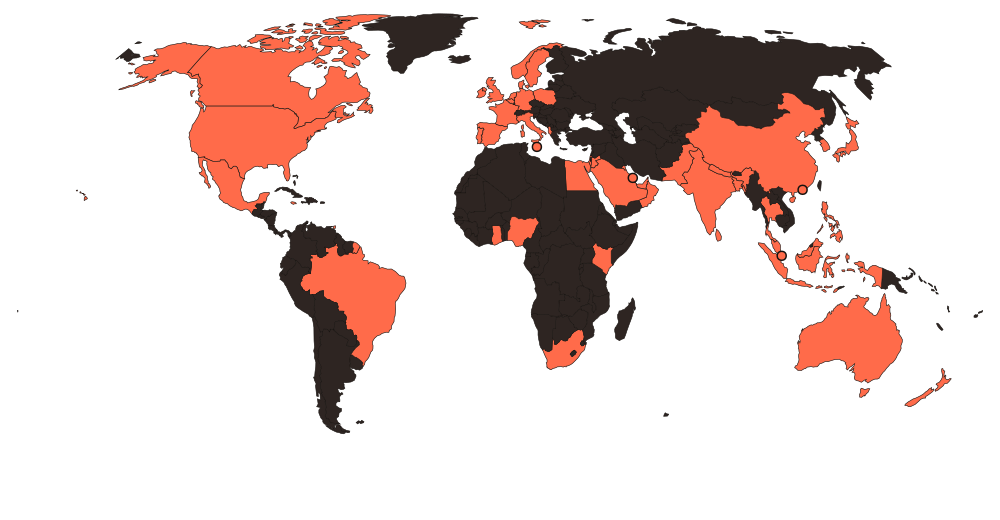
Devices are cleared market by market, and product availability differs between countries.
Country sites with hreflang, local keyword research and content matched to local clearance keep each market accurate and visible.
Launches, trade shows and congresses
Search interest in a device spikes around clearance announcements and major congresses such as AAOS, RSNA or Medica.
We prepare launch pages, press content and structured data ahead of time so the official site ranks first when interest peaks.
Competitor and comparison searches
Clinicians and buyers compare brands and models. Searches like "Philips EPIQ vs GE LOGIQ" are common.
Factual comparison and specification pages, within regulatory limits, capture these searches and present your device on your terms.
Training and education content
Surgeons and staff search for technique videos, training courses and certification. Education content builds loyalty.
Indexed course pages, technique guides and video transcripts help clinicians find training and strengthen brand authority.
Video SEO for device demonstrations
Device demonstrations and surgical technique videos are powerful but often hidden on platforms without context.
Hosting videos on your site with transcripts, chapters and video schema, alongside YouTube, improves visibility in search and video results.
E-E-A-T for medtech content
Device content is health content. Search engines expect clinical accuracy, clear authorship and references.
Pages reviewed by clinical or medical affairs teams, with named reviewers and study references, build trust with search engines and AI systems.
Local search habits in India
Indian hospitals, clinics and distributors search for device suppliers, prices and dealers by city, often on IndiaMART, TradeIndia and JustDial as well as Google.
Indian medtech companies benefit from strong category pages, city-level distributor pages, consistent B2B marketplace listings and content in English and regional languages, within CDSCO rules.
Startups and early-stage medtech
Early-stage medtech companies need visibility with investors, partners, clinical sites and early adopters before full commercial launch.
Pipeline, technology and clinical program pages, founder profiles and news SEO help startups build credibility in search.
How AI assistants describe medical devices
Clinicians and buyers ask AI tools to compare devices or explain procedures. AI answers can mix up models or use outdated information.
We track how AI systems describe your devices and improve crawlable, authoritative content so answers match current labeling and specifications.
Privacy and tracking
Device websites collect lead data from clinicians and sometimes health-related signals from patients.
We set up consent-aware analytics and lead tracking that respect privacy rules and still show which content drives qualified inquiries.
Measuring medical device SEO
Useful measures include visibility by product category and procedure, qualified leads, distributor inquiries, document downloads and demo requests.
Reports are grouped by product line and market so commercial and marketing teams can see where search is working.
Choosing a medical device SEO agency or medtech SEO agency
A medtech SEO agency must understand device regulation, B2B buying committees and large catalog SEO.
Ask how they handle claims review, gated content, IFU libraries and distributor pages, and request examples from regulated industries.
Structured data for devices and products
Product, Organization, MedicalDevice and VideoObject markup help search engines understand device names, manufacturers, specifications and demonstration videos.
Structured data fields are reviewed like visible claims and validated, so rich results never show information outside clearance.
Service, maintenance and spare parts SEO
Engineers and technicians search for service manuals, spare parts, maintenance contracts and repair centers, especially for capital equipment.
Service pages, parts catalogs and authorized service center listings keep installed-base customers on your site and support recurring revenue.
Recalls, safety notices and field actions
When a safety notice or recall is issued, clinicians and patients search for details immediately. Third-party news often ranks first.
A clear safety notices page, updated quickly and linked from affected product pages, gives accurate information and protects trust.
Sustainability and reprocessing content
Hospitals increasingly search for reusable, reprocessed and lower-waste device options as part of sustainability goals.
Content on reprocessing programs, packaging reduction and lifecycle data helps device makers appear in these growing procurement searches.
Link building for medtech companies
Medtech links come from clinical societies, hospitals, universities, congress coverage, trade publications and distributor sites.
We build links through research coverage, clinical partnerships, education content and trade media, avoiding low-quality sources that put regulated brands at risk.
Configurators, quote tools and demos
Capital equipment sites often use configurators and quote request tools that search engines cannot read.
We pair these tools with crawlable pages that explain configurations and pricing factors, so buyers find them through search before requesting a quote.
Group purchasing and tender visibility
Many hospital purchases run through group purchasing organizations and public tenders. Buyers search for approved suppliers and contract numbers.
Pages that explain contract availability, GPO agreements and tender support help procurement teams confirm you are an approved option.
Surgeon and key opinion leader content
Clinicians trust peers. Interviews, case reports and technique commentary from surgeons carry strong authority.
Publishing expert content with clear disclosures and credentials strengthens E-E-A-T and gives AI tools trusted sources to cite.
Dental, veterinary and specialty device markets
Dental equipment, veterinary devices, ophthalmic systems and aesthetic lasers each have their own buyers, trade shows and search terms.
Separate category hubs for each specialty, with terminology that practitioners use, help device makers rank in niche markets where general medtech pages fall short.
Digital health and software as a medical device
Software as a medical device, remote monitoring platforms and connected devices are searched by clinicians, IT teams and payers.
Pages that explain clinical use, data security, interoperability and clearance status help these products reach both clinical and technical decision makers.
Case studies from hospitals and clinics
Buyers want proof that a device works in settings like theirs. Case studies from named hospitals, with outcomes and workflow gains, are highly persuasive.
Publishing crawlable case study pages by specialty and facility type helps them rank and gives sales teams content to share.
Glossary and education hubs for medtech
Many device searches are educational, such as "what is a stent" or "how does a CT scanner work". These searches attract students, patients and new clinicians.
An education hub with clear explanations builds topical authority for the whole site and links naturally to product categories.
Forms, lead routing and CRM alignment
Device leads often go to the wrong region or product team, and slow responses lose deals.
We work with your team on form fields, routing rules and CRM tracking so leads from search reach the right rep quickly and can be tied to pipeline.
Accessibility for device websites
Clinicians, patients and buyers include people who use assistive technology, and many public buyers require accessible websites.
Clear headings, alt text, keyboard navigation and accessible forms improve usability and support SEO at the same time.
Comparing medical device SEO with paid search
Paid search can put a device in front of buyers quickly, but clicks on clinical and procurement terms are expensive and stop when budgets pause.
Medical device SEO builds lasting visibility for categories, procedures and evidence. Most medtech teams use paid search for launches and SEO for durable pipeline, and we plan both to avoid overlap.
Choosing which product lines to optimize first
Few device companies can optimize every line at once. Priorities depend on revenue potential, search demand, competition and upcoming launches.
We score each product line on these factors and start where search can move pipeline fastest, then expand line by line.
Trade show and conference content
Buyers often research devices around major conferences. Pages for upcoming events, booth details, presentations and post event summaries capture these searches and give sales teams links to share.
After the event, update the page with recordings or slides so it keeps attracting visitors.
Training and education portals
Clinicians search for training on how to use devices safely. Public training overviews with course descriptions and schedules rank for these searches, while detailed modules can sit behind a login.
Comparison content within claim rules
Buyers compare devices before shortlisting. Factual comparison pages based on published specifications and approved claims help you appear in these searches without making unsupported superiority statements.