How hair transplant patients research
Hair loss is personal, and most patients research privately for months before contacting a clinic. They search for causes, treatments, techniques, costs and results, often late at night on their phone.
That long research window means clinics with helpful, honest content stay in front of patients from the first search to the consultation.
The hair transplant keyword map
Searches fall into groups: hair loss causes and treatments, technique searches such as "FUE vs FUT", cost searches such as "hair transplant cost" and "price per graft", results searches, clinic searches with a city or country and recovery searches.
We map each group to a page type so the site ranks across the whole journey instead of competing with itself.
FUE, FUT and DHI procedure pages
Each technique has its own searches and questions. Patients want to know how it works, who it suits, scarring, recovery and how long results take.
A dedicated page for each technique, with honest comparisons, ranks for technique searches and helps patients understand which option fits them.
Hair loss education content
Many searchers are not ready for surgery. They want to understand why they are losing hair and what options exist.
Pages on male and female pattern hair loss, alopecia types, stress and hormonal causes and when to see a specialist attract patients early and build trust.
Non-surgical treatments
PRP, finasteride, minoxidil, low-level laser therapy and scalp micropigmentation are often searched before or alongside surgery.
Pages that explain each option, its evidence and when surgery is a better fit show that the clinic gives balanced advice.
Hair transplant cost content
Cost is one of the most searched topics. Patients compare price per graft across cities and countries.
A cost page with realistic ranges, what affects the price, what is included and financing options answers these searches and filters patients who are only price shopping.
Graft counts and the Norwood scale
Patients search "how many grafts do I need" and look up their Norwood or Ludwig stage.
Graft estimate content, linked to the consultation page, turns this research into requests for a personal assessment.
Before and after galleries
Results photos are the most viewed pages on most clinic sites. Patients look for cases like their own.
Galleries organized by technique, hair loss stage and graft count, with consistent lighting, consent and honest captions, build trust and rank for results searches.
Surgeon credentials and who does the work
Patients increasingly ask who performs each step of the surgery, because some clinics rely heavily on technicians.
Surgeon pages with training, ISHRS or other society membership, years of experience and a clear explanation of the team's roles answer that question directly.
Reviews and video testimonials
Patients read reviews on Google, Trustpilot, RealSelf and forums. Video testimonials showing growth over months are especially persuasive.
We set up review requests after follow-up visits and publish consented video stories on the site with transcripts.
Hair transplant forums and communities
Communities such as Reddit and specialist hair loss forums influence many decisions. Patients share results and warn others.
Accurate information, surgeon participation where appropriate and consistent brand facts help your clinic appear credibly in these conversations and in AI answers drawn from them.
Medical tourism for hair transplants
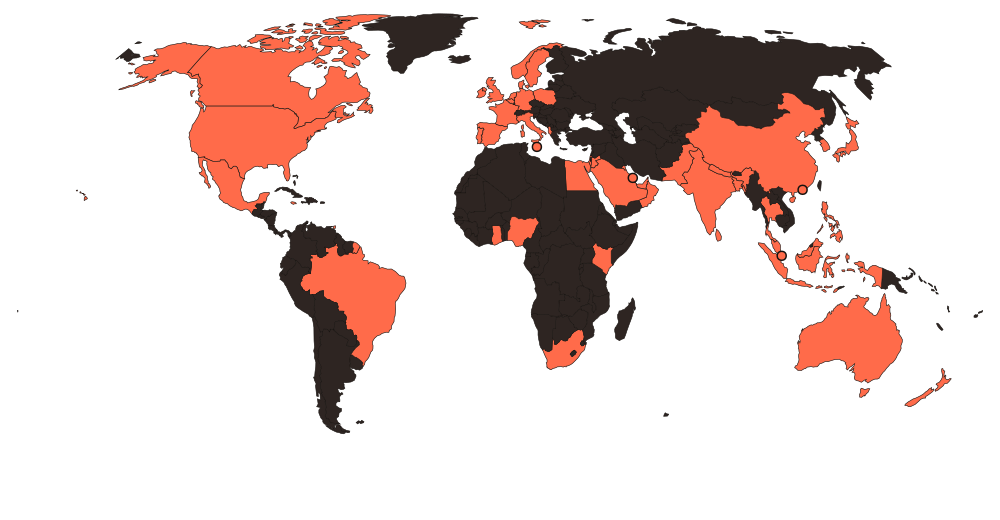
Many patients travel to Turkey, India, Thailand, Mexico and other countries for lower costs. Searches include "hair transplant Turkey" and "hair transplant abroad".
Clinics serving international patients need pages on travel, packages, accommodation, aftercare and follow-up. Local clinics can compete with honest content on safety, follow-up and total cost.
Hair transplant SEO in India
India is a major hair transplant market. Patients search "hair transplant cost in Delhi", "FUE clinic Mumbai" and compare on Practo and JustDial, often in Hindi.
Indian clinics benefit from city pages, price per graft content in rupees, WhatsApp consultation links, Practo and JustDial profiles and content in Hindi and regional languages.
Local SEO for hair restoration clinics
Many patients search for clinics near them. The Business Profile, reviews and local pages decide who appears in the map pack.
"Hair transplantation clinic" is usually the right primary category, with "Hair removal service" avoided unless offered. Real photos of the clinic and team build trust.
Consultation and virtual assessment pages
Most clinics offer free or paid consultations, often by photo or video.
A clear consultation page explaining what to send, what happens next and how estimates are given increases requests from both local and international patients.
Recovery and aftercare content
Patients search "hair transplant recovery day by day", "shock loss" and "when can I wash my hair".
Recovery timelines and aftercare guides rank well, reduce anxious calls after surgery and show that the clinic supports patients throughout.
Women and hair transplants
Female hair loss has different causes and fewer surgical candidates. Women search for clinics that understand their situation.
Pages focused on female hair loss, diagnosis and suitable treatments help clinics reach this underserved audience.
Beard, eyebrow and body hair transplants
Beard, eyebrow and body hair transplants are growing niches with their own searches.
Dedicated pages with results and suitability information capture these searches with less competition.
Repair and revision cases
Patients unhappy with earlier surgery search for repair work. These cases are complex and valuable.
Revision pages with honest explanations and case examples attract motivated patients.
Advertising rules and honest claims
Medical advertising rules in many countries restrict claims such as guaranteed results or misleading photos.
Content uses realistic language, avoids guarantees and shows typical outcomes, which builds trust and avoids penalties.
Technical SEO for image-heavy clinic sites
Galleries and videos slow many clinic sites. Slow pages lose patients browsing on phones.
We compress images, lazy-load galleries, fix duplicate gallery pages and improve Core Web Vitals.
Multilingual hair transplant sites
Clinics serving international patients need pages in the languages those patients use, such as English, Arabic, German or Spanish.
Translated procedure, cost and travel pages with correct hreflang tags help clinics rank in each target market.
How AI assistants answer hair loss questions
Patients ask AI tools about techniques, costs and the best clinics in a city or country.
Clear, sourced content, consistent listings, surgeon credentials and strong reviews make accurate recommendations more likely.
Measuring hair transplant SEO
The key numbers are consultation requests, photo assessments, booked surgeries and revenue by technique and country.
We track these monthly and compare results with rankings for technique, cost and city searches.
SEO for hair transplant clinics: choosing an agency
A hair transplant SEO agency must understand medical content standards, image-heavy sites, reviews and international patients.
Ask how they handle galleries, cost content, advertising rules and medical tourism, and request results from similar clinics.
Donor area and suitability content
Patients want to know whether they are a good candidate. Searches include "am I a candidate for a hair transplant" and "donor area too thin".
Suitability pages that explain donor density, age, stability of hair loss and realistic coverage help patients self-assess and arrive at consultations with better expectations.
Results timeline content
Patients search "hair transplant results month by month" and worry during shedding phases.
A month by month timeline with photos from consented cases reassures patients before and after surgery and ranks for these frequent searches.
Risks, side effects and safety
Searches such as "hair transplant side effects" and "is hair transplant safe" reflect real concerns.
An honest safety page covering infection, numbness, shock loss, unnatural hairlines and how the clinic manages them builds trust and supports the medical credibility of the whole site.
Hairline design content
Patients care about a natural hairline more than graft counts. They search "natural hairline design" and "hairline lowering".
Pages that explain how the surgeon designs hairlines by age, face shape and future hair loss, with examples, set the clinic apart from volume-focused competitors.
Scalp micropigmentation as a complement
Some patients combine a transplant with scalp micropigmentation for added density, or choose SMP instead.
An SMP page explaining how it works, who it suits and how it combines with surgery captures a related and growing search market.
Hair transplant for Afro-textured and curly hair
Patients with Afro-textured or tightly curled hair search for surgeons with specific experience, since extraction and planning differ.
Dedicated content and galleries showing this experience help clinics reach patients who often struggle to find the right surgeon.
Package and pricing transparency for tourists
International patients compare all-inclusive packages covering surgery, hotel, transfers and aftercare products.
Clear package pages with what is included, what is not and follow-up arrangements back home reduce doubts and help clinics stand out from low-priced offers.
Follow-up care after returning home
Patients who travel worry about follow-up once they return. They search for aftercare support and what to do if problems occur.
Pages that explain remote follow-ups, photo check-ins and partner clinics abroad address this concern directly.
Video content from surgeons
Short videos in which the surgeon explains techniques, hairline design and recovery help patients trust the clinic before contacting it.
Videos with transcripts on procedure pages improve engagement and can rank in video results.
Hair loss statistics and research content
Articles that summarize hair loss statistics and new research attract links from health and lifestyle publications.
These pieces build authority for the whole site and give AI tools reliable data to cite alongside your clinic.
Hair transplant clinic comparison searches
Patients search "best hair transplant clinic in Manchester" and compare shortlists. Directories and review sites often rank for these terms.
Complete profiles on those directories, strong review counts and a comparison-friendly page explaining what sets your clinic apart help you appear in these shortlists.
Medication and maintenance after surgery
Transplanted hair is permanent, but surrounding native hair can keep thinning. Patients search whether they need medication after surgery.
Maintenance pages explaining long-term plans, medication options and follow-up treatments show responsible care and bring repeat visits.
Age and timing for a hair transplant
Young patients search "best age for hair transplant" and worry about acting too early.
Balanced content on timing, hair loss stability and future planning builds trust and shows that the clinic puts long-term results first.
Crown and vertex restoration
Crown thinning has its own searches and challenges, since coverage needs more grafts and results take longer.
A crown restoration page with realistic expectations and case examples captures these searches and prepares patients for honest consultations.
Social media and search together
Many patients discover clinics on Instagram, TikTok and YouTube, then search the clinic or surgeon name.
Consistent names, credentials and links across social profiles and the website make sure those searches lead to your own pages.
Payment plans and financing searches
Patients search "hair transplant financing" and "hair transplant EMI" in India.
A financing page explaining monthly options, providers and eligibility removes a common barrier to booking.
Consultation response speed
Patients send photos to several clinics at once. The clinic that replies first with a clear, personal assessment often wins.
We work with your team on response times and track them alongside SEO results, since fast replies turn search traffic into bookings.
Clinic tours and facility pages
Patients, especially international ones, want to see where surgery happens and how hygiene is managed.
Facility pages with photos, accreditation details and hygiene standards reduce doubts and support trust across the site.
Eyebrow and hairline lowering niches
Eyebrow restoration and hairline lowering surgery have small but motivated search audiences, often women.
Specific pages with suitability, results and recovery details rank quickly for these niches and bring high-value consultations.
Structured data for hair clinics
MedicalClinic, Physician, MedicalProcedure and Review markup help search engines understand your clinic, surgeons and procedures.
Validated schema supports rich results and gives AI tools clear facts, such as which techniques you offer and who performs them.
Local links for hair restoration clinics
Barbers, salons, dermatologists, gyms and men's health publications are natural link and referral partners.
Partnerships, expert commentary and educational events earn relevant links that lift local rankings and bring referrals.
Content refresh and seasonal demand
Hair transplant searches often rise in autumn and winter, when patients can wear hats during recovery, and before weddings or major events.
We refresh cost, recovery and gallery pages ahead of these peaks so they rank when demand rises.
Robotic and new hair transplant technology
Patients search for robotic FUE, sapphire blades, stem cell treatments and other new methods they see in ads.
Balanced pages that explain what each technology does, the evidence behind it and whether the clinic offers it help patients separate real advances from marketing claims.
Second and third hair transplant sessions
Patients with advanced hair loss or earlier surgery search for information on additional sessions and remaining donor supply.
Content on multi-session planning, donor management and timing between procedures attracts returning patients and those planning long-term restoration.
Pricing pages in multiple currencies
International patients compare costs in their own currency, such as pounds, euros, dollars or dirhams.
Showing indicative prices in the currencies of your main markets, with a note on exchange rates, makes comparisons easier and keeps visitors on your site instead of switching to aggregators.