What trucking SEO covers
Trucking SEO is search engine optimization for motor carriers, fleets, owner operators, freight brokers with their own trucks and specialized haulers. It covers equipment and service pages, lane pages, terminal Google Business Profiles, CDL recruiting pages, technical health, links, reviews and AI visibility.
The goal is two outcomes from one website: more freight quote requests from shippers and more qualified applications from drivers. Each needs its own pages, keywords and proof, and a good trucking SEO company plans both from the first audit.
Why carriers need their own search strategy
Most carriers rely on load boards, broker relationships and paid job boards. Those channels work, but they set the rate, own the relationship and stop the moment you stop paying. Organic search builds an asset that keeps sending shippers and drivers to you directly.
Trucking is also a trust heavy purchase. A shipper handing over a high value load checks your authority, safety record and reviews before calling. Search is where that checking happens, so strong pages shorten the sales cycle.
Two audiences: shippers and CDL drivers
Shippers, logistics managers and procurement teams search by equipment, commodity and lane. They want capacity, coverage, transit time, safety data and a fast quote. CDL drivers search by pay, home time, route type and location. They want honest numbers, benefits and a quick mobile application.
We separate these audiences in the site structure so neither gets lost. Freight pages sit under services and lanes; recruiting pages sit under careers. Each section has its own calls to action and its own tracking.
Keyword research for trucking companies
We map keywords around equipment (dry van, reefer, flatbed, step deck, tanker, hazmat), service models (FTL, LTL, expedited, dedicated, drayage, intermodal, heavy haul), commodities, lanes, terminal cities and driver roles such as OTR, regional, local, team and home daily.
We also capture question searches like "how much does it cost to ship a full truckload", "what is a reefer trailer" and "how do lease purchase programs work". These rank faster than broad terms and bring readers who are close to a decision.
Freight service pages by equipment type
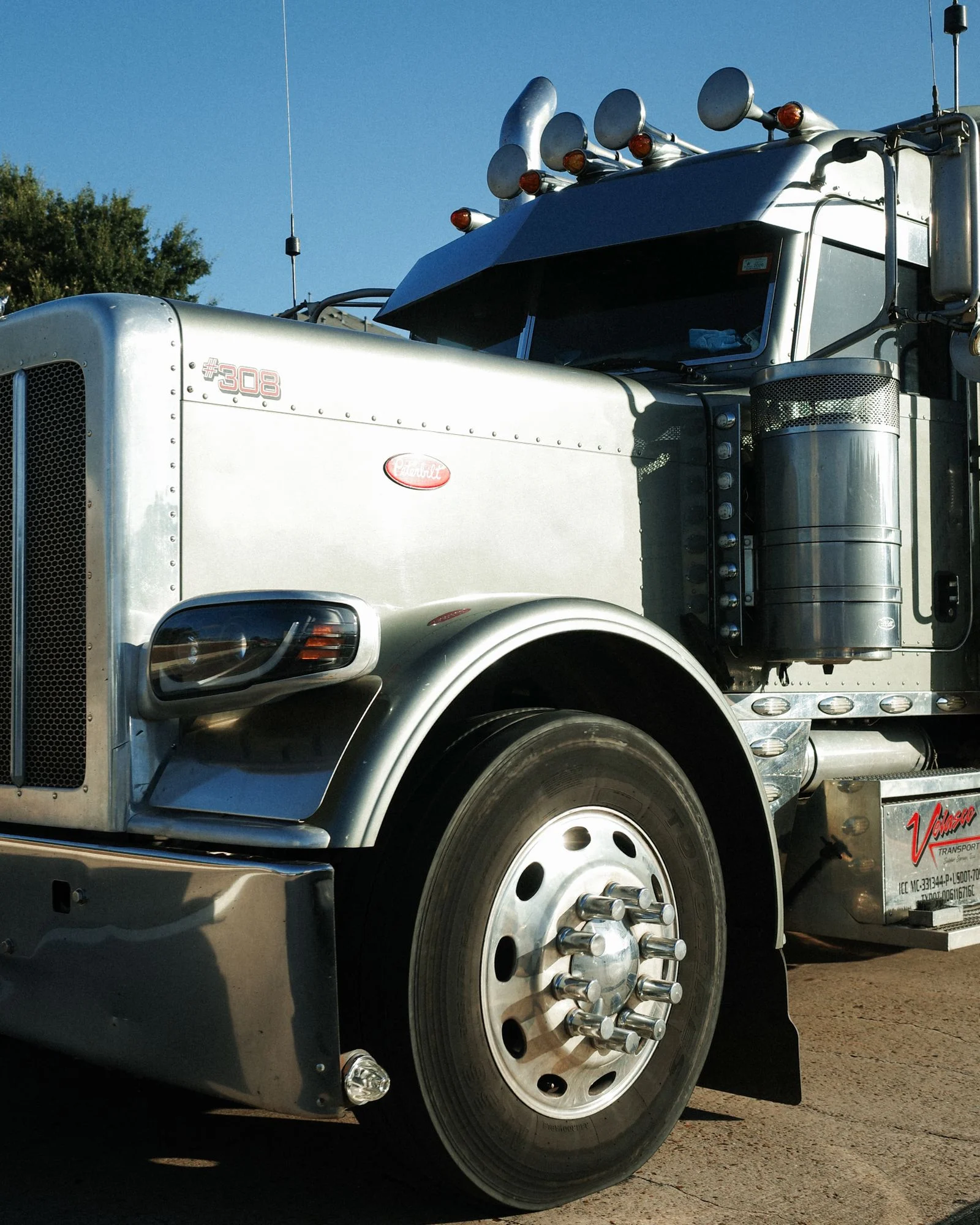
Each equipment type deserves its own page with trailer specs, load limits, typical commodities, coverage area and booking steps. A shipper searching for a 53 foot reefer carrier should land on a reefer page, not a general services page that lists everything in one paragraph.
We add photos of your own trailers, temperature or securement details, and the questions shippers ask most. This depth is what separates a ranking page from a thin list of services.
Lane and route pages explained
Lane pages target searches such as "Texas to California freight" or "Chicago to Atlanta trucking". We build them only for corridors you run often, with real transit times, frequency, equipment available and notes about seasonality or border crossings.
Thin lane pages that swap city names are a doorway risk and rarely rank. Unique detail, internal links from equipment pages and a clear quote button make lane pages useful to shippers and safe with Google.
Terminal Google Business Profiles explained
Every staffed terminal, yard or office can have its own Google Business Profile with the correct trucking company category, hours, address, photos and posts. Local shippers and nearby drivers often find carriers through the map pack.
We verify each location, remove duplicates, align name, address and phone across citations and link each profile to its own terminal page. Unstaffed drop yards are not eligible, so we keep profiles to real locations only.
CDL driver recruiting pages explained
Driver searches are huge and constant: "CDL A jobs near me", "regional truck driver jobs", "home weekly trucking jobs". We build job pages by route type, terminal and experience level, each with pay ranges, home time, equipment, benefits and hiring requirements.
Honest detail matters. Drivers compare carriers closely and leave fast when pay or home time is vague. Clear pages lower your cost per hire and reduce early turnover.
Mobile apply and job posting schema
Most drivers apply from a phone, often at a truck stop. A short mobile form, tap to call recruiting and a save and finish later option lift completion rates sharply. Long desktop style forms lose most applicants.
We add JobPosting structured data so openings can appear in Google job results with pay, location and type. We keep postings current and expire filled roles so the data stays accurate.
Competing with job boards for driver searches
Indeed, CDLjobs and similar boards dominate broad driver searches. You can still win by ranking for specific terms such as your terminal city plus route type, your company name plus reviews, and niche roles like tanker or flatbed drivers.
Your own pages also catch drivers who see a board listing and then search your name. A strong careers section with reviews, videos and clear pay converts those visits better than any board profile.
Owner operator and lease purchase pages
Owner operators compare percentage pay, fuel programs, plates, insurance, settlements and dispatch support. Lease purchase drivers want the full math: weekly payment, term, maintenance, buyout and what happens if they leave.
We write these pages with complete numbers and plain answers. Carriers that explain terms openly earn more trust, better reviews and fewer surprises after onboarding.
Shipper and broker trust signals
Shippers and brokers vet carriers before tendering freight. Your site should show years in operation, fleet size, equipment count, service area, insurance coverage, safety programs, certifications such as SmartWay, and how to request references.
We place these facts on service and about pages as text, not inside images or PDFs, so search engines and AI tools can read them and quote them.
DOT number, MC number and safety data as text
Your USDOT number, MC number and operating authority are part of how shippers verify you. Listing them clearly helps people confirm you on the FMCSA website and helps search engines connect your site with your official carrier record.
We also link to your public safety information and explain your safety programs. Clear, checkable data supports trust and reduces back and forth during carrier setup.
FMCSA, ELD and hours of service content
Drivers and smaller shippers search for plain explanations of FMCSA rules, electronic logging devices, hours of service, drug and alcohol clearinghouse checks and CSA scores. Helpful articles on these topics bring steady traffic and show expertise.
We write compliance content carefully and keep it current, then link it to your recruiting and safety pages. This builds topical authority for trucking searches across the whole site.
Hazmat and specialized freight pages
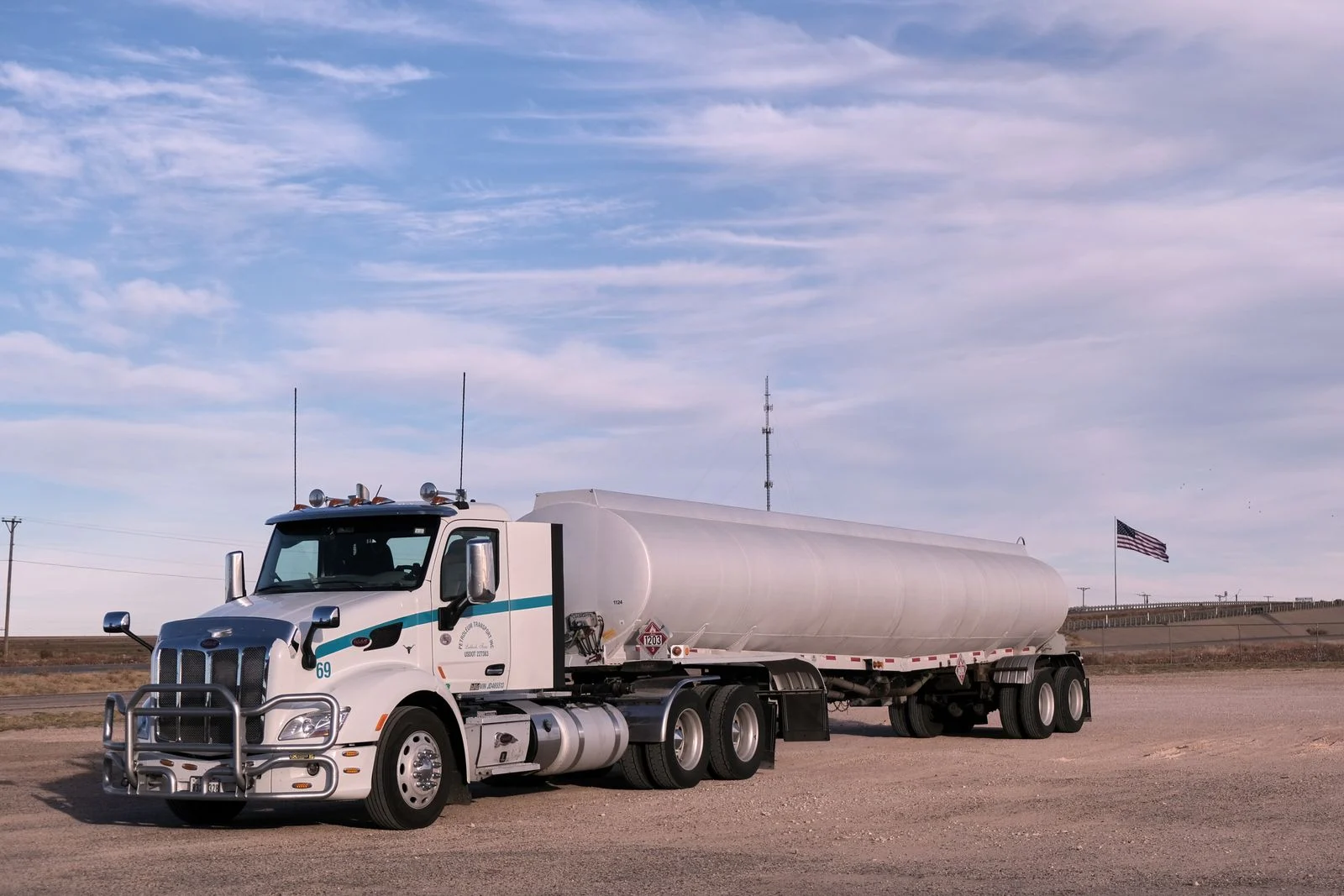
Hazmat, tanker, oversized and high value freight have their own buyers and search terms. Pages should explain endorsements, placarding, routing, permits, security and the commodities you haul.
Specialized pages face less competition and bring higher value loads. They also help recruit drivers who hold tanker and hazmat endorsements.
Drayage, intermodal and port trucking SEO
Drayage and intermodal buyers search by port, rail ramp and container type. Pages for each port or ramp you serve, with TWIC status, chassis options, free time and per diem notes, answer the questions importers ask.
We connect these pages with lane content and terminal profiles near the port so local and long distance searches both reach you.
Heavy haul and oversize load pages
Heavy haul shippers search for RGN, lowboy, step deck and permit load carriers. They need trailer capacities, escort and permit support, and examples of equipment moved.
Real job photos and clear specs are strong ranking and conversion signals here. We pair them with request a quote forms that collect dimensions and weights up front.
Refrigerated and food grade freight content
Reefer buyers care about temperature control, monitoring, food safety rules such as FSMA sanitary transport, washouts and on time delivery for perishables. Content that covers these points ranks for reefer and food grade searches.
We also build commodity pages, for example produce, frozen food or pharmaceuticals, only where you truly haul them.
Technical SEO for trucking websites
Many carrier sites are slow, heavy with images and hard to use on a phone. We fix page speed, Core Web Vitals, mobile layout, broken links, redirects, duplicate pages and crawl errors.
We also make sure job pages, terminal pages and lane pages are indexable and linked, and that old job listings do not pile up as thin pages in the index.
Site architecture for carriers
A clear structure helps both visitors and search engines: services by equipment, solutions by industry served, lanes, terminals, careers by role and a resources hub. Each page links to related pages so authority flows across the site.
Breadcrumbs, a simple menu and separate shipper and driver paths keep visitors moving toward a quote or an application.
Content that answers shipper questions
Shippers search questions before they contact carriers: FTL versus LTL, how freight class works, accessorial charges, detention, lumper fees and how to prepare a load. Answering these builds trust and brings early stage buyers.
Each article links to the relevant service page with a quote call to action, so readers can act once they are ready.
Freight quote forms and conversion
A good quote form asks for origin, destination, equipment, commodity, weight and pickup date without asking for too much. We place it high on service and lane pages with a phone number for urgent loads.
We track every form and call by page so you can see which equipment and lanes bring the most valuable leads.
Reviews from drivers and shippers
Drivers read reviews on Google, Indeed and driver forums before applying. Shippers check Google reviews and references. We set up review requests after successful onboarding, milestones and completed loads.
We help you reply to every review, including negative ones, with calm, specific answers. Steady recent reviews improve map pack rankings and application rates.
Local citations and trucking directories
Consistent listings on business directories and trucking specific directories help local rankings and trust. We clean up old addresses, duplicate listings and mismatched phone numbers.
We also add your company to relevant freight and carrier directories where shippers search for capacity.
Link building for trucking companies
Useful links come from state trucking associations, trade publications, driver schools, chamber memberships, sponsorships, local news about hiring and expansion, and partners such as shippers you serve.
We avoid paid link schemes. Real mentions from the trucking world carry more weight and keep the site safe.
Schema markup for carriers
We add Organization, LocalBusiness, Service, JobPosting, FAQ and Breadcrumb structured data. This helps search engines understand your services, locations and openings.
Schema also feeds rich results such as job listings and can help AI tools pull accurate facts about your fleet.
AI search and trucking companies
Shippers and drivers now ask ChatGPT, Perplexity, Gemini and Google AI Overviews for carrier and job suggestions. These tools favor sites with clear facts, consistent listings, reviews and mentions across trusted sources.
We structure your pages with direct answers, specific numbers and entity data so AI answers can name your company for the equipment, lanes and roles you offer.
Trucking SEO in India
In India, shippers search for transport companies, truck booking, full truck load and part load services, often in Hindi or regional languages and often on mobile. JustDial, IndiaMART and WhatsApp enquiries play a big role, along with Google Maps listings for transport nagar offices.
We build route pages such as Delhi to Mumbai transport, Hindi and regional language pages where useful, WhatsApp click to chat buttons and consistent directory listings, so Indian fleet owners and transporters rank where their customers search.
Trucking SEO in the USA and Canada
In the USA, content and trust signals revolve around USDOT and MC numbers, FMCSA safety data, CDL classes and endorsements. In Canada, carriers also reference NSC and provincial safety ratings such as CVOR in Ontario, plus cross border freight between the two countries.
We adapt terms, units and compliance content to each market and build cross border pages for carriers that run between the USA, Canada and Mexico.
Freight brokerage and asset based pages
Many carriers also run a brokerage arm. We keep asset based services and brokerage services on separate, clearly labeled pages so shippers know what they are buying and search engines see distinct topics.
This avoids keyword overlap between pages and lets each service rank for its own searches.
Measuring trucking SEO results
We report rankings, organic traffic, calls, quote requests and driver applications by page, equipment, lane and terminal. Search Console queries show which freight and job terms are growing.
Monthly reports explain what changed and what we will do next, in plain language, so you can connect SEO to loads booked and drivers hired.
Seasonal freight and recruiting cycles
Freight demand rises with produce season, peak retail shipping and year end, while driver hiring often peaks after holidays and in spring. We plan content and job updates ahead of these cycles.
Publishing early gives pages time to rank before demand arrives.
Multi terminal SEO
Carriers with several terminals need a page and a profile for each, with local drivers, routes, hiring needs and contact details. Each page must be genuinely unique.
We connect terminal pages to nearby lane and job pages so every location builds local authority.
Fleet photos and video
Real photos of your trucks, trailers, terminals and drivers build trust with both audiences. Short videos of a day on the road, a terminal tour or a recruiter introduction lift engagement on careers pages.
We compress media for speed, add descriptive alt text and use video schema where it helps.
Keeping trucking pages current
Pay rates, equipment counts, lanes and job openings change often. Outdated pages hurt trust and conversion. We schedule reviews so service pages, recruiting pages and terminal details stay accurate.
Fresh, accurate content also signals to search engines that the site is maintained and reliable.
Choosing a trucking SEO agency
A good trucking SEO agency should show it understands carrier freight sales and driver recruiting, not only general ranking tactics. Ask how they plan equipment and lane pages, how they handle JobPosting schema and how they report quotes and applications.
Top SEO Agency works as a truck company SEO partner with a clear audit, a page by page plan and monthly reports tied to loads and hires.
Fleet SEO for growing carriers
Fleet SEO means planning search visibility across every terminal, trailer type and driver role as a carrier grows. Each new terminal or equipment line gets its own page, profile and internal links.
This keeps the site organized as the fleet expands and stops new locations from competing with each other in search.