What is organic SEO?
Organic SEO is the work of improving a website so it appears higher in the unpaid results of search engines such as Google and Bing, and increasingly in AI answers. "Organic" separates these listings from paid ads, which appear because an advertiser pays for each click. Organic positions are earned through relevance, quality and authority.
The main advantage is that organic traffic keeps flowing without paying for every visit. A page that ranks well can bring in visitors, leads and sales for years with regular upkeep.
How organic SEO and paid search work together
Paid search delivers traffic as soon as a campaign starts, but it stops the moment the budget stops. Costs per click in competitive industries can be high and tend to rise over time. Organic SEO takes longer to build but becomes more cost-effective as rankings grow, because each extra visitor does not add cost. Organic SEO compounds, which is why early technical and content work pays off for years.
Many businesses use both: paid search for immediate demand and testing, and organic SEO for sustainable growth. Organic results also receive a large share of clicks on most searches, because many users skip ads.
How search engines rank organic results
Search engines crawl pages, index them and rank them for each query using many signals. The most important include relevance to the query, content quality and helpfulness, the authority of the site and page, technical health, page experience and how well the page satisfies the searcher's intent.
Organic SEO works on all of these areas together, since weakness in one can hold back strength in the others.
Keyword research for organic SEO growth
Keyword research shows what your potential customers search for, how often and with what intent. We group keywords by topic and stage: informational searches for research, commercial searches for comparison and transactional searches for buying or booking.
Each group is mapped to the right page type, so your site has a strong page for every important search instead of several weak pages competing with each other.
Technical foundations for organic SEO
Technical SEO makes sure search engines can crawl and index your pages and that users get a fast, stable experience. It covers site architecture, internal linking, sitemaps, robots rules, canonical tags, redirects, Core Web Vitals, mobile usability and structured data.
Technical problems often limit organic growth quietly. Fixing them can lift rankings across the whole site without writing any new content.
On-page optimization explained
On-page SEO aligns each page with its target keyword and intent. That includes descriptive titles and meta descriptions, clear headings, well-structured copy, relevant images with alt text, internal links to related pages and schema markup.
We optimize existing pages first, because improving pages that already rank on page two or three is often the fastest route to more organic traffic.
Content that earns organic rankings
Search engines reward content that is genuinely helpful, accurate and written with real expertise. For businesses, that usually means detailed service or product pages, buying guides, comparison pages, how-to articles and answers to common questions.
Top SEO Agency plans content from keyword research and customer questions, and writes it to answer the search better than the pages currently ranking.
Building authority with links
Links from other websites remain one of the strongest ranking signals. Quality matters far more than quantity: a few relevant links from respected sites in your industry are worth more than many links from low-quality directories.
We earn links through digital PR, useful resources, partnerships, expert contributions and local relationships, avoiding schemes that break search engine guidelines.
Organic SEO and AI search
AI assistants and Google's AI features increasingly answer questions directly. They draw heavily on pages that already rank well and have clear, trustworthy content. Strong organic SEO is therefore the base of AI visibility.
We include AI answer tracking in organic SEO reporting so you can see visibility across both classic and AI search.
How long organic SEO takes
Most businesses see early improvements within the first two to three months as technical fixes and on-page changes take effect. Significant growth usually builds over six to twelve months as content and authority accumulate. Highly competitive industries can take longer.
Because results compound, organic SEO tends to deliver its best return in the second year and beyond.
Measuring organic SEO results
We track organic sessions, rankings for target keywords, impressions and clicks in Search Console, conversions, leads and revenue from organic traffic, and visibility in AI answers. Reports show what changed, why it matters and what happens next.
Scentira grew from zero to 70k monthly organic visits, and Dentalstall now earns 59% of new revenue from organic search.
Organic SEO services for local businesses
Local businesses benefit from a mix of organic website rankings and map pack visibility. Service pages for each offering, location pages for each area, Google Business Profile optimization and local reviews all contribute.
Orillia Window Cleaning reached the top 3 of the map pack across Orillia and nearby areas through this combined approach.
Organic SEO for online stores
For eCommerce, organic SEO focuses on category and product pages, faceted navigation, product schema, reviews and buying guides. Technical scale matters, since stores can have thousands of URLs.
McGrocer grew organic users by 111% with technical and content work.
Organic SEO for B2B and SaaS
B2B and software companies need content for every stage of a long buying journey, from problem-aware guides to comparison and pricing pages. Organic SEO connects these pages to pipeline and revenue reporting.
We focus on keywords with real buying intent and measure demos, trials and qualified leads.
White-hat organic SEO solutions
Organic SEO should follow search engine guidelines. Tactics such as buying links, keyword stuffing, hidden text or mass-produced low-quality content can lead to penalties that erase years of growth.
Top SEO Agency uses only white-hat methods and explains every change we make.
Search Console as your organic early warning system
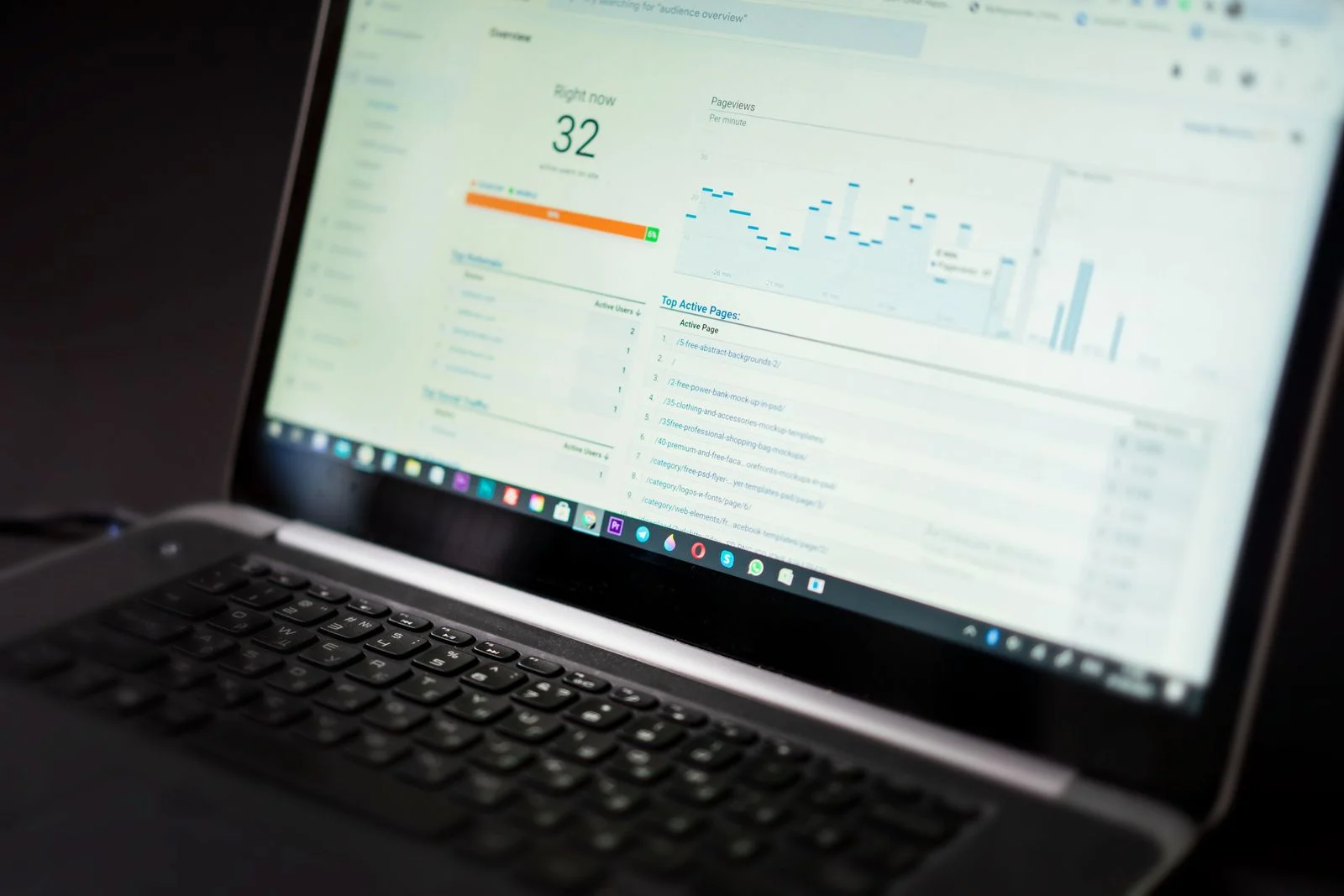
Google Search Console shows which queries bring impressions and clicks, which pages are indexed, which have errors and how Core Web Vitals perform for real users. Watching it regularly lets you spot drops before they become serious, find keywords where you rank just off page one and see which pages Google has chosen not to index.
Top SEO Agency reviews Search Console every month for every client, turns the findings into clear actions and connects them to the traffic and revenue data in your analytics.
Protecting organic traffic during redesigns
Website redesigns and platform changes are one of the most common causes of sudden organic losses. Changed URLs without redirects, removed content, new templates that hide text and blocked staging settings pushed live can wipe out rankings built over years.
We plan redirects, content mapping, template checks and post-launch monitoring for every redesign, so your new site keeps the organic traffic the old one earned. ECORN Agency completed a Webflow migration with zero organic loss using this process.
Choosing an organic SEO agency
Look for an agency that explains its strategy clearly, reports on business outcomes rather than rankings alone, and shows real results from similar clients. Ask how they build links and how they prioritize work.
Top SEO Agency shares a clear roadmap, monthly reports and real case studies from clients across many industries.
Organic SEO and your other marketing
Organic SEO works best when connected to your other channels. Paid search data reveals converting keywords, email and social promote new content, and sales conversations uncover questions to answer.
We coordinate with your marketing team so organic growth supports every channel.
Organic SEO versus paid search
Paid search stops when the budget stops, while organic rankings keep bringing visitors. Most businesses use both, with SEO lowering paid costs over time on terms where they rank well.
We share keyword data with your paid team so both channels support each other.
Organic SEO for new websites
New sites have little authority, so early wins come from specific, lower competition searches. Strong technical foundations, focused pages and a few quality links help a new site start ranking within months.
Content updates and organic growth
Updating older pages with fresh facts, better structure and new sections often lifts rankings faster than publishing new pages. We review content performance each quarter and refresh pages that are slipping.