What hotel SEO covers
Hotel SEO is search engine optimization focused on rooms, rates and revenue. It covers room type pages, Google Hotels, rate parity, location pages, booking engine tracking and reporting in hotel metrics such as ADR, occupancy and RevPAR.
Hotel SEO vs broader hospitality SEO
Hospitality SEO spans restaurants, venues and events. Hotel SEO focuses on selling room nights directly, so the work centers on inventory, pricing, location and the booking path.
Room inventory and room type pages
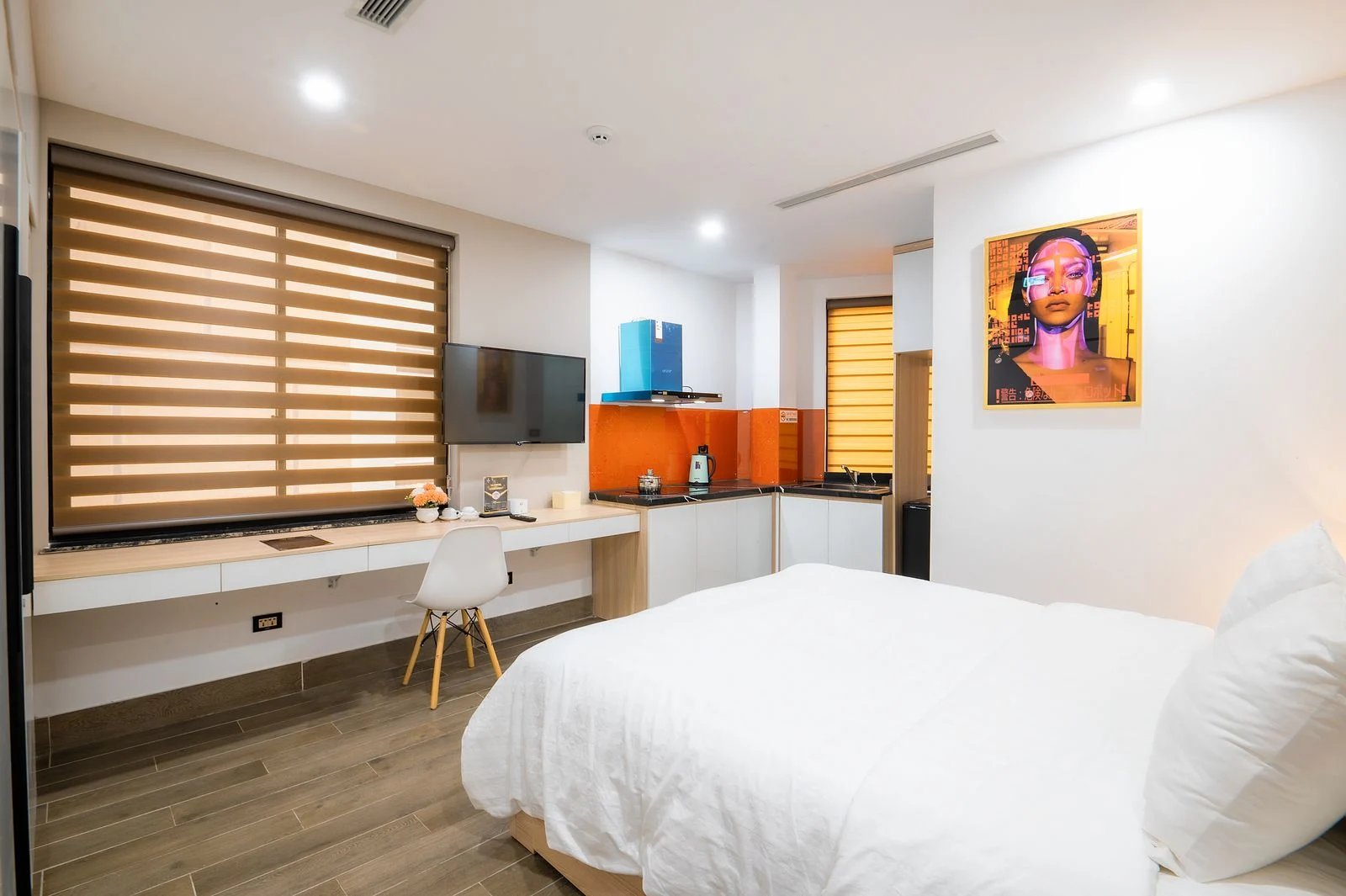
Each room category, from standard twin to presidential suite, needs its own page with size, bed type, view, floor, accessibility and maximum occupancy. Guests compare these details closely and search for them directly.
Rate parity and why it affects SEO
If OTAs show a lower price than your website, guests who find you organically book elsewhere. Monitoring parity across OTAs and Google Hotels protects the value of every organic visit.
Google Hotels, CRS and channel managers
Your central reservation system or channel manager feeds rates to Google Hotels. Correct connectivity, accurate taxes and fees and live availability decide whether your direct rate shows as the best option.
Near landmark and location pages
Guests search for hotels near airports, convention centers, stadiums, hospitals, universities and attractions. Pages with distance, transport options and special rates for each rank well and bring practical bookings.
Shoulder season and demand calendars
Hotels have peak, shoulder and low seasons. Publishing offers and content for shoulder months, local events and midweek stays helps fill rooms when demand drops.
Star rating, awards and class
Star ratings, brand affiliation and awards influence filters on Google and OTAs. Showing them consistently across your site, profile and listings helps guests trust your class.
Independent hotels vs chains
Independent hotels compete on character and local knowledge. Chain properties must follow brand standards, so their SEO focuses on local pages, unique amenities and property level reviews.
Franchise and brand site considerations
Franchise hotels often have a page on the brand site plus their own site. Clear roles for each avoid duplicate content and make sure local searches find the right page.
PMS and booking tracking
Linking analytics with your booking engine and PMS shows which pages bring reservations, room nights and revenue, not just visits.
Reporting in hotel metrics
Revenue managers think in ADR, occupancy and RevPAR. We report organic bookings, average rate and length of stay so SEO fits into revenue meetings.
Length of stay and booking window
Business travelers book short notice and short stays, while leisure guests book further ahead. Content for each window helps capture both.
Corporate and group room blocks
Corporate rates, sports teams, weddings and tour groups book room blocks. Dedicated group pages with inquiry forms bring these high value bookings direct.
Hotel amenities that drive searches
Parking, breakfast, pools, gyms, EV charging, pet policies and airport shuttles are common filters. Clear amenity pages and accurate profile attributes help you appear when guests filter.
Hotel content for business travelers
Business travelers search for meeting rooms, workspaces, Wi Fi speed and transport links. Pages for corporate stays bring steady midweek demand.
Boutique hotel SEO
Boutique hotels win with story, design and neighborhood. Content about history, design and local partners helps them rank for character searches that chains cannot match.
Budget and midscale hotel SEO
Budget hotels compete on value and location. Clear prices, transport links and honest descriptions help them rank and convert price sensitive guests.
Hotel SEO in India
Indian hotels compete with MakeMyTrip, Goibibo, OYO and Agoda. Pages with rupee pricing, GST inclusive rates, WhatsApp booking and Hindi or regional language content help win direct guests.
Hotel reviews and ratings
Review scores on Google, TripAdvisor and OTAs influence ranking and conversion. Replying to every review and fixing recurring issues lifts both.
Hotel schema markup
Hotel, HotelRoom, Offer, AggregateRating and FAQPage schema help search engines and AI tools understand your rooms and rates.
Technical SEO for hotel sites
Room galleries, booking widgets and multilingual pages often slow sites down. Fast pages and clean language versions improve rankings and booking rates.
Hotel SEO and AI trip planning
Travelers ask AI tools for hotel suggestions near a landmark or with specific amenities. Clear room and location pages plus strong reviews help AI tools recommend you.
How long hotel SEO takes
Profile, parity and technical fixes can lift bookings within weeks. Room and location pages usually rank within three to six months.
Choosing a hotel SEO company
Ask a hotel SEO company how it handles rate parity, Google Hotels, CRS tracking and revenue reporting. The right partner speaks in room nights and ADR, not just rankings.
Hotel SEO company checklist for owners
Before hiring a hotel SEO company, owners should ask for a sample revenue report, an example of a room page the agency built and how it handles parity. Hotels seo company proposals that only promise rankings miss the point; ask how many room nights and how much revenue similar hotels gained.
Seo agency for hotels vs in house teams
An seo agency for hotels brings experience across many properties, tools for parity and Google Hotels, and a content team. In house marketers know the property best. The strongest results come from both working together with clear roles.
Seo hotel industry changes to watch
The seo hotel industry is shifting toward AI trip planning, richer Google Hotels results and more visual search. Hotels that keep room data, prices and photos accurate across every channel are best placed for these changes.
Hotel photography by room type
Each room page needs wide shots, bed and bathroom details, views and accessibility features. Name files by room and feature, compress them for speed and add descriptive alt text so images rank and guests understand exactly what they are booking.
Hotel booking engine speed
Every extra second and step in the booking engine loses guests. Shorter forms, clear total prices including taxes and mobile friendly design lift conversion from organic visits.
Upsells and add ons on the hotel site
Direct bookers can add breakfast, parking, late checkout or packages during booking. Pages that explain these extras raise revenue per stay, which OTAs rarely deliver.
Extended stay and serviced rooms
Extended stay guests search for kitchenettes, laundry and weekly rates. Pages for these needs bring long bookings that lift occupancy for weeks at a time.
Accessibility information for hotels
Guests with access needs search for step free entry, roll in showers and hearing aids. Detailed accessibility pages build trust and help these guests book with confidence.
Hotel content for local events
Concerts, conferences, sports and festivals create booking spikes. Event pages published early with dates, distance and special rates capture guests before OTAs.
Airport hotel SEO
Airport hotels win with shuttle times, parking, crew rates and day use rooms. Pages answering these practical questions rank for travelers searching hours before a flight.
Hotel SEO for multilingual guests
International guests search in their own language. Translated room, location and policy pages with correct hreflang reach markets competitors ignore.
Hotel loyalty and returning guests
Returning guests often search the hotel name. A returning guest page with direct perks keeps them booking with you instead of an OTA.
Hotel neighborhood guides
Neighborhood guides covering restaurants, shops, parks and transport around the hotel help guests picture their stay. They rank for area searches, earn links from local businesses and show search engines that your hotel is the local authority.
Meeting room and conference pages
Hotels with meeting space should publish room capacities, layouts, AV equipment and catering options. These pages rank for meeting venue searches and bring room blocks for attendees, which lift occupancy midweek.
Wedding room blocks
Weddings often need blocks of rooms for guests. A page explaining wedding blocks, group rates and booking links for guests helps couples choose your hotel and keeps those bookings direct.
Hotel parking and transport pages
Parking cost, EV charging, valet and public transport are frequent guest questions. A clear transport page reduces calls and ranks for practical searches near your hotel.
Dealing with OTA brand bidding
OTAs sometimes appear above hotels on searches for the hotel name. Strong organic brand pages, an accurate profile and a clear best rate message keep more of these guests on your own site.
Hotel SEO audits
A hotel SEO audit reviews room pages, rate parity, Google Hotels setup, profile attributes, technical speed, reviews and tracking. It shows which fixes will bring the most room nights first.
Opening a new hotel
New hotels should launch with room pages, a complete profile, Google Hotels connectivity and pre opening press. Early reviews and local links help the hotel rank before peak season.
Renovations and rebrands
When a hotel renovates or rebrands, new photos, updated room descriptions and redirects from old pages protect rankings and show guests what has changed.
Hotel safety and cleanliness information
Guests check cleaning standards, security and safety features before booking. Clear information builds trust and answers questions AI tools often surface.
Seasonal pricing pages
Explaining seasonal rate patterns and best value dates helps flexible guests choose quieter nights, which lifts occupancy without discounting peak dates.
Hotel content calendar
A hotel content calendar plans room offers, event pages and seasonal guides months ahead of demand. Publishing early gives pages time to rank before guests start booking, and regular updates show search engines the site is current.
Revenue managers and marketers should share the calendar so content supports the dates the hotel most needs to fill.
Hotel price comparison on Google
Google shows hotel prices from many sources directly in search. Hotels that keep taxes, fees and room names consistent across channels avoid confusing guests and are more likely to win the click.
Hotel SEO for small properties
Small hotels and inns often have limited budgets. Focusing on a strong profile, a page per room type, a location page and steady review replies gives the biggest return for the least effort.
Hotel website migrations
Moving to a new website or booking engine can lose rankings if old URLs are not redirected. A migration plan with redirects, updated tracking and checks after launch protects direct bookings.
Hotel internal linking
Room pages should link to offers, location pages and the booking engine, while guides link back to relevant rooms. Clear internal links help search engines understand the site and guide guests toward booking.
Hotel image search
Many travelers browse hotel photos in image search. Original, well named, compressed photos with descriptive alt text help your rooms appear there and lead visitors to your own site.
Building an SEO strategy for hotels
An seo strategy for hotels starts with the revenue plan: which dates, room types and guest segments need more direct bookings. From there, pages, offers and outreach are prioritized by the room nights they can add, and progress is measured monthly in bookings and ADR.
If you are wondering how to do SEO for hotels with a small team, begin with room pages, the profile, parity and reviews, then expand into landmark and seasonal content.
Local SEO for hotels and resorts
Local SEO for hotels and resorts covers the Business Profile, map rankings, local reviews, nearby attraction content and citations on tourism sites. Hotel resort SEO services should also cover resort amenities and activities that guests search for nearby.